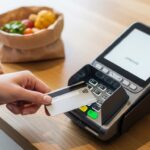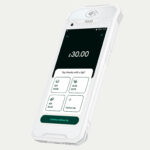
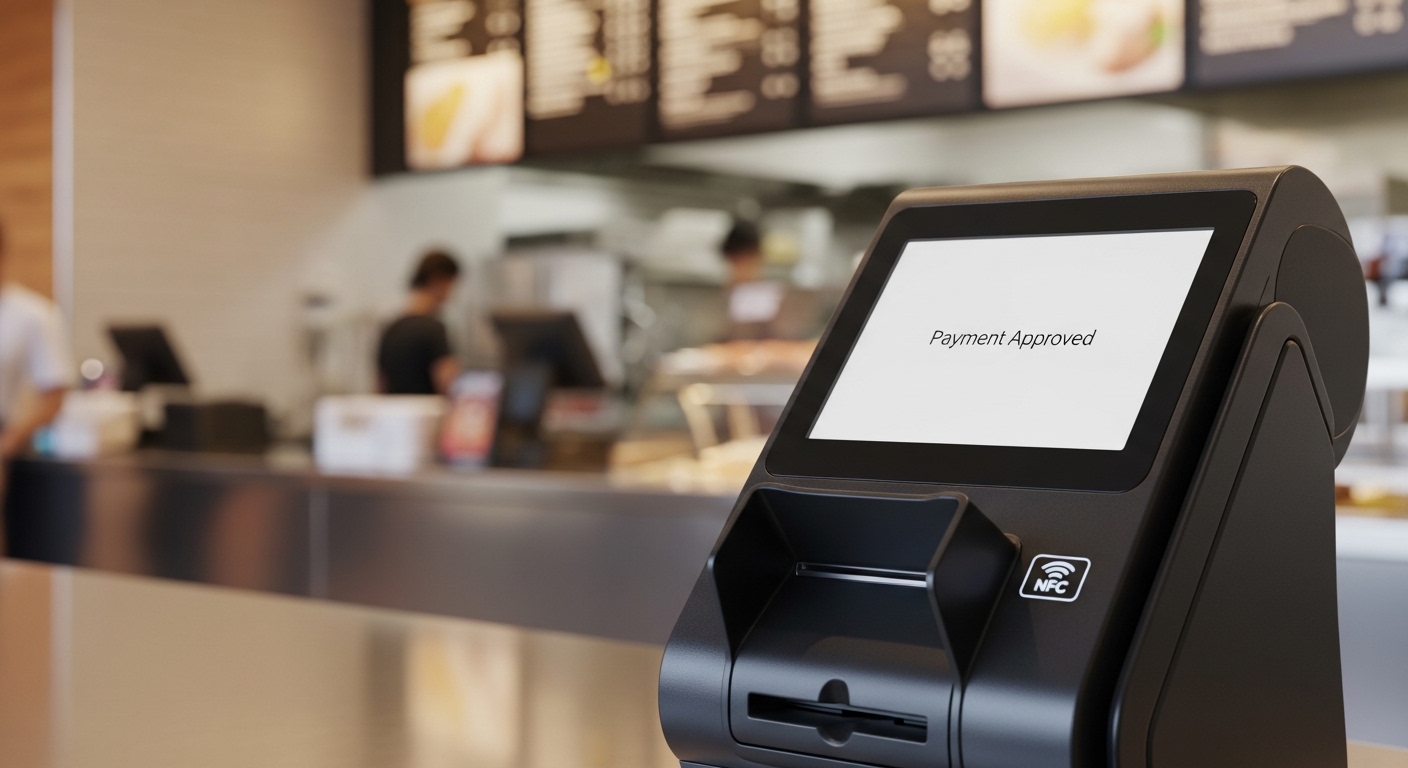
Contactless payments are about 10 times faster than other payment methods, making a payment card machine for takeaway businesses an essential tool for modern food service operations, a direct reflection of The Future of Contactless Payments in the Food Industry. According to Mastercard, over 66% of in-person transactions on their global network are now contactless, clearly showing the widespread adoption among consumers worldwide.
The food service industry has particularly embraced this technology transformation. In fact, 76% of customers prefer restaurants that utilize automated systems to make services more efficient, especially for taking payments. Additionally, 78% of multi-location food operators invested in contactless payment solutions to streamline their operations in 2022. These systems offer unparalleled convenience and speed, allowing customers to complete transactions with just a simple tap of their card or smartphone. Furthermore, the evolution of contactless payment limits like in the UK where the limit increased from £20 in 2012 to £100 in 2021 demonstrates growing confidence in this technology.
In this article, we’ll explore how contactless payment solutions are reshaping the food industry, the key benefits they offer both businesses and customers, and how you can strategically implement the right payment card machine for your takeaway operation.
The shift toward contactless in the food industry
Traditional cash registers and manual card payments are rapidly becoming relics of the past in food establishments. The limitations of these conventional systems have become increasingly apparent, making a reliable payment card machine for takeaway operations an essential upgrade as the industry evolves toward more efficient solutions.
Why traditional payment methods are falling short
Restaurant owners using traditional payment systems face numerous operational challenges daily. Studies show that restaurants relying on conventional payment methods experience 20% longer checkout times compared to those offering contactless options. These delays create frustrated customers who are less likely to return, while manual entry of payments increases the risk of costly errors and lost revenue. Moreover, limited payment options disappoint modern customers who expect diverse payment choices. Consequently, slower payment processes result in reduced table turnover, directly impacting a restaurant’s bottom line.
The pandemic’s role in accelerating change
The COVID-19 pandemic dramatically reshaped consumer behavior, serving as a catalyst for contactless adoption in the food industry. As restaurant visits were replaced with online ordering to reduce virus transmission, food service operators quickly adapted by improving sanitary protocols and minimizing human contact. During this period, online ordering and payment became essential business components, with 67% of restaurants implementing curbside pickup services. Self-service ordering and payments likewise accelerated, enabling social distancing while helping restaurants reallocate staff to other critical tasks.
Consumer demand for speed and safety
Even as pandemic concerns have eased, consumer preferences for contactless options have strengthened. Currently, 87% of restaurant transactions occur through contactless methods, a substantial increase from just 45% in 2020. This shift reflects changing customer expectations, with 92% of diners preferring establishments offering multiple contactless payment options. The appeal crosses demographic lines, though younger generations show stronger preferences 66% of millennials report that technology significantly enhances their dining experience. Meanwhile, mobile wallet usage has surged by 156% since 2023, as 40% of consumers now prefer paying their restaurant tabs using these applications.
As a result, restaurants without adequate payment card machines for takeaway service risk falling behind competitors who have embraced this digital transformation.
Key benefits of contactless payments for restaurants
Restaurant owners implementing payment card machines for takeaway service are experiencing multiple operational advantages that directly impact their bottom line. These benefits extend beyond mere convenience, creating substantial value throughout the business.
Faster transactions and shorter wait times
Contactless transactions take approximately 1 second compared to 9 seconds for chip-and-PIN methods. This remarkable speed difference allows restaurants to process more customers efficiently, primarily during peak hours. With contactless authorizations being nearly instantaneous, businesses can increase their shopper capacity by 10%. Notably, studies show that contactless card payments are completed in about half the time (7.8 seconds) compared to contact cards (14.8 seconds). These time savings directly translate into shorter queues and improved service flow, essentially reducing the risk of customers walking out due to long lines – a problem that costs retailers $100 billion annually.
Improved hygiene and reduced contact
Health considerations remain a crucial advantage of contactless systems. Physical currency typically changes hands at least 55 times yearly, exposing both staff and customers to potential germs with each transaction. Subsequently, 76% of restaurant owners plan to continue offering touchless technology even after pandemic concerns diminish. Contactless payments provide a much more sanitary option by eliminating the need for physical contact between customers and staff, instead allowing diners to pay using only devices they already possess.
Lower operational costs and better staff allocation
Beyond customer-facing benefits, contactless payments create substantial operational efficiencies. The average cost of collecting a physical dollar was 14.5 cents, versus just 4.2 cents for a digital dollar. Obviously, reducing cash handling cuts down on risks like theft and accounting errors. Most importantly, these systems free staff from processing payments manually, allowing them to focus on providing quality service and creating more meaningful connections with customers.
Enhanced customer satisfaction and loyalty
Customer preferences clearly favor establishments offering contactless options. Indeed, 68% of customers in quick-service restaurants would pay using contactless methods if available. For sit-down restaurants, 62% of diners prefer contactless payment options, demonstrating how this technology enhances satisfaction across all dining formats. By implementing these systems, restaurants can streamline operations, increase revenue, and foster greater customer loyalty.
Emerging technologies shaping the future
The restaurant payment landscape continues to evolve beyond basic contactless functionality, with several groundbreaking technologies poised to transform the dining experience in 2026 and beyond.
SoftPOS and mobile-based payment terminals
Software Point of Sale (SoftPOS) technology is rapidly gaining traction in the food industry. This innovation transforms standard smartphones and tablets into payment terminals without additional hardware. The global SoftPOS market, valued at USD 255.40 million in 2022, is projected to grow at an impressive 22.3% compound annual rate, reaching USD 1.25 billion by 2030. Currently, restaurants are adopting this technology because it provides flexibility for tableside payments and reduces equipment costs. By 2028, approximately 61 million smartphones globally will use SoftPOS, representing a dramatic 683% increase from 2023 levels.
Biometric authentication for added security
Biometric payment methods are creating new possibilities for frictionless transactions. JP Morgan’s “pay-by-smile” solution allows customers to complete purchases without phones or cards. Furthermore, industry experts forecast biometrics will secure up to USD 3.00 trillion of digital payments. In practice, major chains like Panera Bread and select Starbucks locations have implemented Amazon’s palm-reading payment technology, offering customers a unique blend of convenience and security.
Blockchain and cryptocurrency integration
Beneath the surface, blockchain technology is reshaping payment processing infrastructure. The stablecoin market has expanded to over USD 300.00 billion as of early 2026. Practically speaking, blockchain enables settlement in under 5 minutes versus days with traditional methods. Forward-thinking restaurants like Chipotle now accept over 98 digital currencies, although consumer-facing crypto usage remains modest compared to back-end settlement applications.
AI and data-driven personalization
Artificial intelligence is revolutionizing customer interactions. According to Deloitte, 82% of restaurant executives plan to increase AI spending, with 60% focusing on enhanced customer experiences. These systems analyze ordering patterns and preferences to create personalized recommendations, boosting satisfaction and revenue simultaneously.
Internet of Things (IoT) in smart kitchens
Smart kitchen technology is streamlining operations through interconnected devices. IoT-enabled equipment allows managers to monitor appliances remotely, optimizing energy usage and reducing maintenance costs. Solutions like FryBot gather data on frying operations to predict demand and inventory needs, thereby improving consistency and allowing staff to focus on customer service.
Strategic implementation for long-term success
Successful implementation of contactless payment technology requires careful planning and strategic decisions to ensure long-term viability in your food establishment.
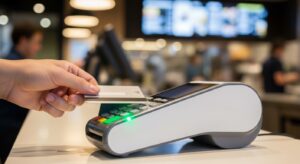
Choosing the right payment card machine for takeaway
When selecting a payment card machine for takeaway operations, prioritize NFC-enabled terminals that support a range of contactless methods including mobile wallets and QR code payments. Look beyond initial costs to features that streamline operations, such as cloud-based management and integration with online ordering and inventory tracking. Currently, only 41% of full-service and 42% of limited-service restaurants plan to invest in contactless solutions despite strong customer demand.
Training staff and updating workflows
Staff training is vital to implementation success. Initially, focus training on terminal operation, basic troubleshooting, customer guidance, and security protocols. Through regular quality audits, you can identify areas for improvement and ensure staff remain engaged with the rollout. Periodic refreshers even just five minutes can effectively cover new features or shortcuts whenever software updates occur.
Balancing cost, security, and customer experience
Transaction fees typically start around 1.75% per transaction. Yet these costs are generally offset by:
- Faster table turnover
- Fewer errors in transactions
- Higher customer satisfaction
Security remains paramount implement encryption, tokenization, regular updates, and strict access controls alongside PCI-DSS compliance.
Monitoring trends and adapting over time
After implementation, closely track metrics like contactless usage rates, average tips, and customer feedback. Presently, 67% of businesses using automation report direct benefits to diner experiences. Importantly, a unified payment system helps overcome the challenges of managing multiple payment options. By continuously monitoring these metrics, you can fine-tune your approach to maximize both operational efficiency and customer satisfaction.
Conclusion
Contactless payment technology has clearly established itself as a fundamental component of modern food service operations rather than just a passing trend. Throughout this evolution, restaurants have witnessed significant improvements in transaction speed, hygiene standards, operational efficiency, and overall customer satisfaction.
The rapid acceleration of contactless adoption during the pandemic has permanently altered consumer expectations, with most diners now actively seeking establishments that offer these convenient payment options. Nevertheless, this shift represents only the beginning of a broader technological transformation.
Emerging innovations like SoftPOS terminals, biometric authentication, blockchain integration, and AI-powered systems will undoubtedly reshape payment experiences even further in coming years. Restaurant owners who embrace these advancements gain competitive advantages through streamlined operations and enhanced customer experiences.
Success with contactless payments, however, depends on thoughtful implementation. Selecting appropriate hardware, training staff effectively, balancing costs against benefits, and continuously monitoring performance metrics all play crucial roles in maximizing returns on technology investments.
Food service businesses must recognize contactless payments not merely as optional upgrades but as essential tools for meeting modern customer expectations. Those who fail to adapt risk falling behind more technologically savvy competitors. Certainly, the future belongs to establishments that can seamlessly blend the human elements of hospitality with efficient digital experiences creating memorable dining journeys while eliminating friction points like payment delays.
The food industry stands at a technological crossroads, and contactless payment systems serve as gateways to this digital future. Businesses that strategically implement these solutions today position themselves for sustained success tomorrow.