Payment machines for takeaway businesses have become essential tools in today’s fast-paced food delivery environment. As a restaurant owner or delivery service manager, I understand that finding the right payment solution can make or break your customer experience.
In fact, the best payment machines combine advanced capabilities with portability, support various payment methods, offer robust security features, and integrate seamlessly with your existing business systems. When evaluating payment machines for takeaway operations, I specifically look at the range of payment types accepted (swipe, dip, tap, QR), transaction speed, processor compatibility, and ecommerce integration options.
Throughout this article, we’ll explore the specialized needs of takeaway delivery services, examine the different types of payment machines available, and provide guidance on choosing the right solution for your specific delivery model. Additionally, I’ll share practical advice on setup, staff training, and ensuring secure transactions while your team is on the move.
Why takeaway delivery needs specialized payment machines
Takeaway delivery operations face unique payment challenges that conventional payment systems simply cannot handle effectively. The mobile nature of food delivery requires specialized payment machines that can operate reliably wherever your customers are located.
Challenges of on-the-go payments
The food delivery sector encounters numerous obstacles when processing payments outside the controlled environment of a restaurant. Traditional payment methods often create bottlenecks that disrupt the entire delivery experience. Merchants struggle with slow and inefficient processes, security concerns, risks of mishandling cash, and high costs associated with training staff on complex payment systems, challenges that underscore the necessity of a robust payment machine for takeaway operations.
Moreover, delivery drivers face practical challenges like limited connectivity, weather exposure, and time pressure when collecting payments. Without specialized mobile payment solutions, these issues can significantly impact delivery efficiency and customer satisfaction.
Customer expectations for fast, secure transactions
Today’s customers demand nothing less than swift, secure, and seamless payment experiences. Approximately half (51%) of American consumers now use contactless payment methods like tap-to-go cards and mobile wallets. This shift in consumer behavior reflects changing expectations about transaction speed and convenience.
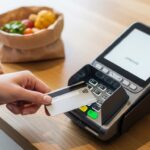
Contactless payments process about 10 times faster than other payment methods, dramatically reducing wait times and improving customer satisfaction. This speed particularly matters in delivery contexts where customers value efficiency above all else.
Furthermore, security concerns heavily influence payment preferences. Despite initial worries, technologies like NFC (Near Field Communication) and tokenization make contactless payments more secure than traditional magnetic stripes. Every transaction creates an encrypted token that’s nearly impossible for fraudsters to intercept.
Importance of real-time payment confirmation
Real-time payment confirmation has become a critical component of successful delivery operations. Instant verification allows both customers and restaurants to proceed confidently without delays or uncertainty.
Real-time payments provide immediate confirmation to both sender and recipient, operating 24/7 even during weekends and holidays. This instant verification enables delivery drivers to complete transactions on the spot and move quickly to their next delivery.
Consequently, businesses utilizing real-time payment systems gain better control over cash flow, strengthen working capital management, and build stronger customer relationships through reliable, predictable payments. For delivery operations particularly, this translates to more deliveries per route and higher overall efficiency.
Types of payment machines used in takeaway delivery
The evolving landscape of food delivery has introduced various payment solutions designed specifically for on-the-go transactions. These specialized devices enable seamless payment processing regardless of location.
Mobile card readers
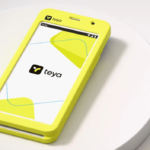
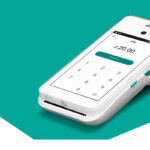
These compact devices transform smartphones or tablets into portable payment terminals, perfect for delivery personnel. Mobile card readers connect via Bluetooth to your device and accept multiple payment types. First, there’s the basic magstripe reader that lets drivers accept swiped card payments directly through their phone or tablet. Notably, Square offers their first magstripe reader free, with additional readers costing around $10.
More advanced 3-in-1 readers accept EMV chip cards, magstripe cards, and contactless payments like Apple Pay and Samsung Pay. These versatile readers are ideal for curbside checkout and delivery situations where flexibility matters. Battery life becomes crucial when choosing mobile readers look for devices that can process 100+ transactions on a single charge.
Smart terminals
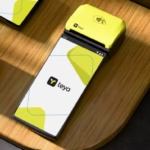
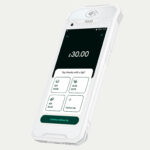
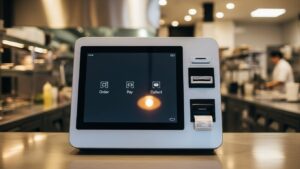
Smart terminals combine hardware (tablet or terminal, receipt printer) with software that manages your entire operation. These all-in-one solutions can handle orders from several platforms including your website or third-party delivery apps without requiring staff to manually re-enter tickets.
Unlike traditional POS equipment, smart terminals offer significant cost savings. Their integrated systems reduce human error in payment processing and eliminate issues with misread credit cards.
Tap-to-pay on smartphones
Tap to Phone technology allows merchants to accept contactless payments directly on their near-field enabled smartphones without additional hardware. Currently, over 700,000 Tap to Phone terminals are active across 71 countries. This technology works with all contactless payment methods, including cards, phones, or watches.
QR code-based payment systems
QR code payments have gained popularity as they eliminate physical touchpoints no pens, credit cards changing hands, or paper receipts. Customers simply scan a code to view their itemized bill and complete payment through their smartphone in seconds. This seamless integration offers safety, convenience, and enhances the overall customer experience.
Choosing the right payment machine for your delivery model
Selecting the ideal payment machine requires careful consideration of your specific delivery operation. The right solution depends on your team size, environment, and technical requirements.
Solo delivery drivers vs. fleet operations
Solo delivery operators require compact, all-in-one solutions that work independently, whereas fleet managers need systems that integrate with centralized management tools. Consider these operational differences:
- Solo drivers benefit from lightweight, smartphone-compatible devices with simple interfaces and individual transaction tracking
- Fleet operations need robust solutions with centralized reporting, multi-user logins, and remote management capabilities
A frictionless payment system across your entire operation builds customer trust and encourages repeat orders. Therefore, prioritize solutions that scale with your business without requiring complete replacement.
Integration with food delivery platforms
Seamless connectivity with your existing systems is essential for operational efficiency. Modern payment machines should integrate with popular POS systems such as SpotOn, Clover, Square, Toast, and NCR Aloha. Subsequently, this allows menu changes and pricing updates to sync automatically across all platforms.
Some providers like Reddie develop cloud-based software specifically for integrating digital ordering technology. Open API capabilities enable compatibility with your preferred payment processor, eliminating forced payment partnerships.
Hardware durability and weather resistance
Outdoor delivery environments demand rugged equipment. Devices with IP65 ratings offer superior protection against water, dust, and direct contact with internal components. Even in extreme conditions freezing Minnesota winters or scorching Phoenix summers properly rated terminals maintain reliable operation.
Essentially, look for terminals with sealed protection against environmental contaminants and complete safety from electronic contact.
Battery life and charging options
Battery performance is critical for uninterrupted service. Professional terminals typically deliver 8-24 hours of continuous use, with premium options handling up to 500 transactions per charge.
Smart charging solutions such as docks or multidevice cradles simplify overnight recharging. For maximum reliability, select devices that maintain at least 8-12 hours of active usage, ensuring full-shift coverage without interruption.
Setting up and using your payment machine effectively
Proper implementation of your payment machine ensures smooth operations in the takeaway delivery context. The right setup procedure coupled with comprehensive staff training can make a significant difference in transaction efficiency.
Initial setup and onboarding
Beginning with merchant onboarding lays the foundation for streamlined, compliant payment processing. This process typically involves several steps: pre-onboarding preparation, merchant application submission, compliance assessment, account setup, and integration with your existing systems. For takeaway operations, prioritize connecting your online ordering platforms with your payment gateway to ensure seamless transaction flow.
Training delivery staff
Hands-on training yields the best results for delivery personnel. Divide staff into small groups of 4-5 people for focused learning and schedule multiple 2-hour sessions covering essential tasks. Create role-specific training modules that address the unique needs of your delivery staff, focusing on order handling, payment processing, and basic troubleshooting.
Troubleshooting common issues
Common payment machine problems often relate to connectivity. If experiencing slow responses or transaction errors, first check network connections and reset routers if necessary. For hardware malfunctions, inspect physical connections, ensure proper power supply, and restart devices. When payment processing fails, verify gateway settings and inspect card readers for damage.
Ensuring secure transactions on the go
Security remains paramount for mobile payments. Implement PCI DSS compliance standards and encrypt all card data. Likewise, limit access to payment information by establishing role-based permissions and using two-factor authentication where available. Finally, enable fraud notifications and regularly review transaction reports to identify suspicious patterns.
Conclusion
Payment machines have become essential tools for takeaway delivery businesses rather than optional extras. Throughout this article, we’ve seen how specialized payment solutions address the unique challenges faced by delivery operations. Mobile card readers, smart terminals, tap-to-pay systems, and QR code payments each offer distinct advantages depending on your specific needs.
When selecting a payment machine for your delivery operation, consider your business scale first and foremost. Solo drivers need simple, portable solutions, while fleet managers require robust systems with centralized reporting capabilities. Additionally, integration with your existing platforms matters significantly since seamless connectivity enhances operational efficiency.
The physical demands of delivery work cannot be overlooked either. Durable, weather-resistant hardware with sufficient battery life ensures your payment solution works reliably in all conditions. After all, payment failures during delivery create frustrated customers and potential revenue loss.
Proper setup and staff training ultimately determine how effectively your payment system performs. Small group training sessions focused on practical scenarios help delivery staff confidently handle transactions while troubleshooting common issues. Meanwhile, implementing strong security measures protects both your business and customers from fraud risks.
The takeaway delivery landscape continues to evolve rapidly, yet one fact remains constant – customers expect fast, secure, and convenient payment options. By investing in the right payment machine tailored to your delivery model, you position your business for success. The best solutions grow with your operation, adapt to changing consumer preferences, and provide the reliability needed for daily operations. Though technology will undoubtedly advance, meeting these fundamental needs will always form the foundation of effective delivery payment systems.