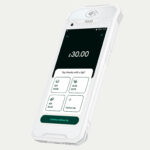
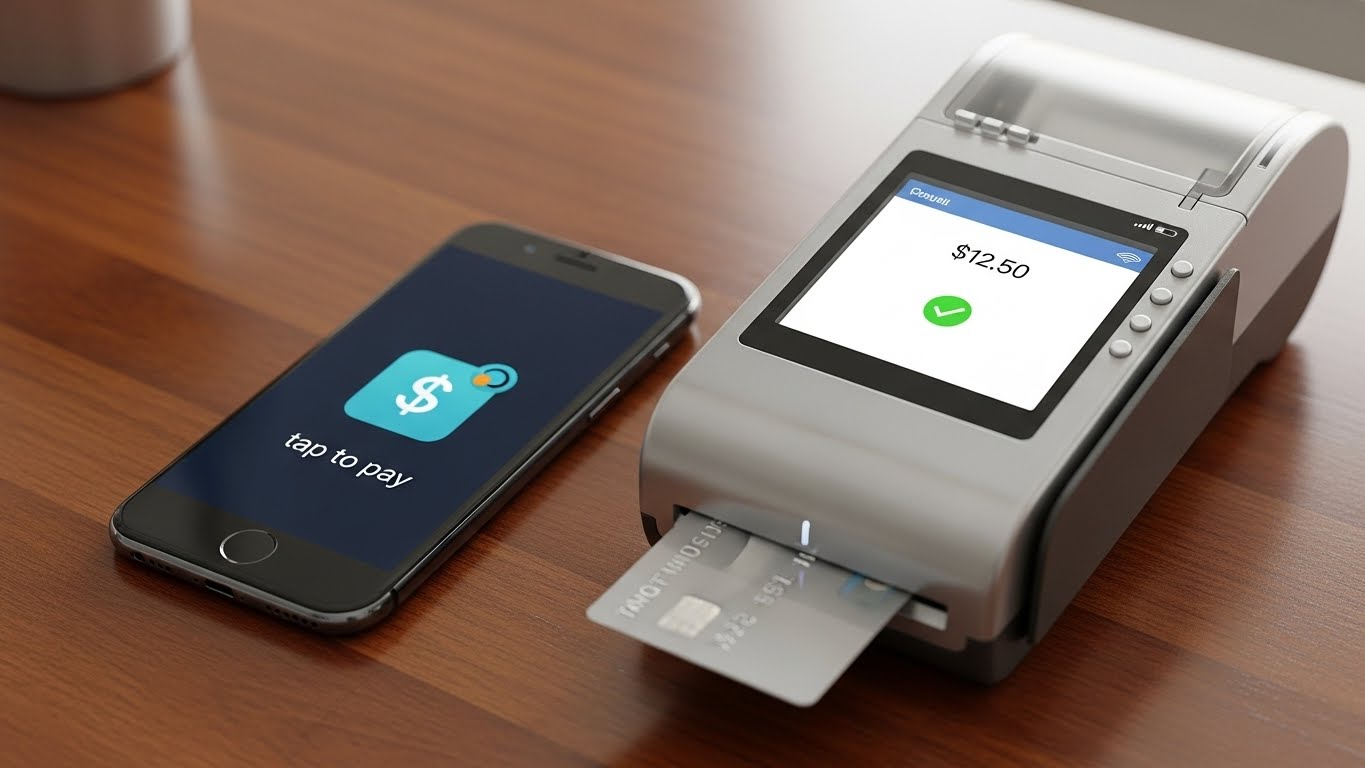
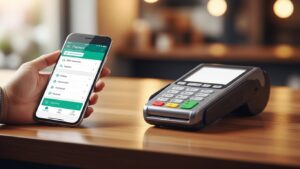
Choosing the right card machine for small business in UK settings often presents a challenging dilemma. When you picture a checkout counter, a traditional countertop terminal likely comes to mind—built for reliability, speed, and high-volume transactions. However, portable card machines offer a flexible alternative that might better suit certain business models.
While countertop terminals provide robust features with reliable wired connectivity, mobile card readers deliver the ultimate flexibility to accept payments anywhere your customers are—from tableside to curbside and even at farmers markets. The cost difference is also significant. Traditional machines typically require either an upfront investment of several hundred pounds or a fixed monthly fee with long-term contracts of 12-36 months. Compared to this, mobile card readers are often the more economical choice, with some available for under $50 and generally requiring a lower initial investment.
In this article, we’ll explore both options in depth to help you determine which payment solution aligns best with your small business needs. We’ll examine their benefits, security considerations, integration capabilities, and overall cost-effectiveness to guide your decision-making process.
Benefits of Mobile and Countertop Card Machines
In the realm of payment processing, both mobile and countertop card machines offer unique advantages that cater to different business needs. Understanding these benefits helps you make an informed decision for your small business.
Speed and reliability of countertop machines
The traditional countertop card machine remains a powerhouse for businesses with fixed checkout points. These devices process transactions remarkably fast—the average standard card payment takes just 26.7 seconds compared to 33.7 seconds for cash transactions. This efficiency, a critical advantage for any card machine for small business in UK, adds up significantly when multiplied across numerous daily transactions.
Countertop machines excel in reliability due to their wired connections. Unlike wireless options, they provide consistent, uninterrupted transaction processing. This stability makes them particularly valuable during peak business hours when payment processing speed directly impacts customer satisfaction.
Furthermore, these terminals handle high transaction volumes with ease, making them ideal for busy retail environments where checkout efficiency is crucial. Their robust architecture ensures reliable performance even during the busiest periods of operation.
Flexibility and mobility of mobile machines
Mobile card machines transform your smartphone or tablet into complete payment terminals through simple Bluetooth connections. This technology allows you to accept payments anywhere—at pop-up events, farmers markets, client offices, or tableside in restaurants.
Notably, these portable solutions support businesses operating beyond traditional storefronts. The ability to process payments on the move means never turning down a sale due to location constraints. Modern mobile readers process contactless payments in just seconds, respecting your customers’ time while projecting professionalism.
Customer experience differences
Both machine types significantly enhance customer experiences but in different ways. Countertop terminals provide seamless, fast transactions at fixed locations with the security of visible, dedicated payment equipment.
Mobile solutions, conversely, eliminate queues by allowing payments anywhere on your premises. This efficiency proves crucial for retaining repeat customers and attracting new ones.
Both options support diverse payment methods, including:
- EMV chip cards
- Contactless/NFC payments
- Digital wallets (Apple Pay, Google Pay)
- Traditional card swipes
This payment flexibility caters to modern consumers’ preferences, contributing directly to higher customer satisfaction and loyalty.
Security and Compliance Considerations
Security concerns rank among the top priorities for any business handling card payments. Both mobile and countertop card machines must meet strict industry standards to protect sensitive customer data.
PCI compliance for both types
PCI DSS (Payment Card Industry Data Security Standard) applies to all businesses that accept, process, or store cardholder data, regardless of size or transaction volume. This standard was established by major card brands including Visa, MasterCard, American Express, and Discover to safeguard payment information.
For small businesses, PCI compliance typically falls under Level 4 requirements, necessitating:
- A self-assessment questionnaire (SAQ)
- Quarterly network vulnerability scans by an Approved Scanning Vendor
- Completion of an Attestation of Compliance document
The consequences of non-compliance are substantial, with potential fines ranging from $5,000 to $10,000 monthly. Beyond financial penalties, businesses risk losing merchant status entirely, rendering them unable to process card payments.
Encryption and fraud protection
Encryption serves as the foundation of payment security for both terminal types. Modern card machines utilize sophisticated encryption technologies to scramble cardholder data, making it unreadable to unauthorized parties.
EMV chip technology represents a significant advancement over magnetic stripes. Unlike magnetic stripes containing unchanging information, EMV chips generate “dynamic one-time use codes” called cryptograms for each transaction. This approach substantially reduces the risk of counterfeit cards since stolen cryptograms quickly expire.
Nevertheless, encryption alone doesn’t eliminate PCI DSS requirements. According to the PCI Security Standards Council, “encryption alone is generally insufficient to render cardholder data out of scope for PCI DSS”. Essentially, businesses must maintain comprehensive security measures throughout their payment environments.
Risks of wireless vs wired connections
The security profiles of wired and wireless terminals differ significantly. Wired countertop machines offer enhanced security through direct connections that minimize interception opportunities. As one security expert notes, “no Wi-Fi broadcasting means fewer opportunities for cyber threats”.
Conversely, wireless mobile terminals face additional vulnerabilities. While modern wireless technologies employ robust security measures, these systems remain susceptible to signal interference, potential hacking attempts, and wireless network vulnerabilities.
To maximize mobile payment security, businesses should implement strong Wi-Fi encryption, establish separate networks for customers and staff, regularly update devices with security patches, and employ multifactor authentication.
Integration and Usability in Daily Operations
The daily operational efficiency of your card machine hinges largely on how well it integrates with your existing systems and how user-friendly it remains for your team.
POS system compatibility
Integrated payment systems eliminate the tedious back-and-forth between separate devices, processing transactions 2-3 times faster than non-integrated solutions. Modern terminals seamlessly connect with existing point-of-sale systems through APIs or plugins. Additionally, many providers support integration with e-commerce apps, CRM systems, and marketing software, creating a unified commerce approach that synchronizes inventory and sales data in real-time.
Ease of use for staff
An intuitive, user-friendly interface remains crucial for minimizing training time and maintaining smooth operations. Staff must find the system straightforward enough to operate without advanced technical knowledge. For instance, Square allows businesses to set up quickly, with many users reporting they were operational “in just a few minutes” without requiring phone support.
Battery life and connectivity issues
Mobile terminals require careful battery management—Square Reader takes approximately 2 hours to charge completely, thereafter lasting through a full business day of transactions. Connectivity issues can arise with wireless devices, although many modern systems offer offline capabilities, storing payments for up to 24 hours when internet connections fail.
Software and app support
Comprehensive software support across iOS, Android, and web platforms ensures flexible operations. Cloud-based systems like Clover’s web dashboard enable business management from anywhere with internet access, while regular software updates maintain security and functionality.
Cost and Long-Term Value
Financial considerations often become the deciding factor when selecting a card machine for your business operations. Let’s examine what drives both immediate and long-term costs.
Upfront vs ongoing costs
First of all, hardware expenses vary significantly between options. Traditional countertop terminals typically cost between £150-£850 outright, whereas mobile readers are substantially more affordable, with many available for under £100.
Beyond hardware, ongoing expenses include:
- Transaction fees: These range from 0.99%-1.75% for in-person mobile transactions to 2.6%-3.5% for keyed entries
- Monthly costs: Countertop terminals often require rental fees (£7.50-£30/month) plus merchant account maintenance
- Processing models: Flat-rate pricing offers predictability, while interchange-plus typically becomes more economical as volume increases
Contract flexibility
In contrast to mobile solutions, traditional terminals frequently come with 12-36 month commitments. Early termination can trigger substantial penalties—sometimes equaling the remaining contract value. Mobile readers primarily operate on pay-as-you-go models without lengthy commitments, offering superior flexibility for seasonal businesses.
Scalability for growing businesses
Moreover, as your business expands, payment needs evolve. According to Merchant Risk Council data, the average merchant relies on 3.9 payment processors. Mobile solutions typically offer easier upgrades without hardware replacement. Ultimately, consider total ownership cost rather than focusing solely on initial expenses.
Conclusion
Choosing between mobile and countertop card machines ultimately depends on your specific business needs and operating environment. Countertop terminals certainly excel in speed and reliability, processing transactions faster than cash payments while maintaining consistent connectivity through wired connections. Mobile card readers, however, offer unmatched flexibility for businesses that need payment capabilities beyond fixed locations.
Security remains paramount regardless of which option you select. Both systems require PCI compliance and employ strong encryption methods to protect sensitive customer data. Nevertheless, wired countertop machines generally provide additional security advantages by eliminating wireless vulnerabilities.
The integration capabilities with your existing POS systems will significantly impact daily operations. Therefore, compatibility should be a primary consideration when making your selection. Additionally, staff training requirements, battery management for mobile devices, and software support all play crucial roles in the overall user experience.
Cost structures differ considerably between these options. Traditional countertop terminals typically demand higher upfront investments or lengthy contracts with monthly fees. Alternatively, mobile solutions generally offer lower initial costs with pay-as-you-go pricing models that better suit seasonal or growing businesses.
We recommend carefully assessing your business model, customer expectations, and growth plans before making your decision. Many successful small businesses actually maintain both solutions—using countertop machines for their main checkout points while equipping staff with mobile readers for peak periods or special events. This combined approach provides the best of both worlds: reliability where you need it most and flexibility when opportunity calls.