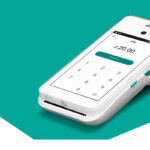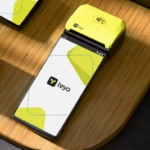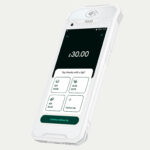
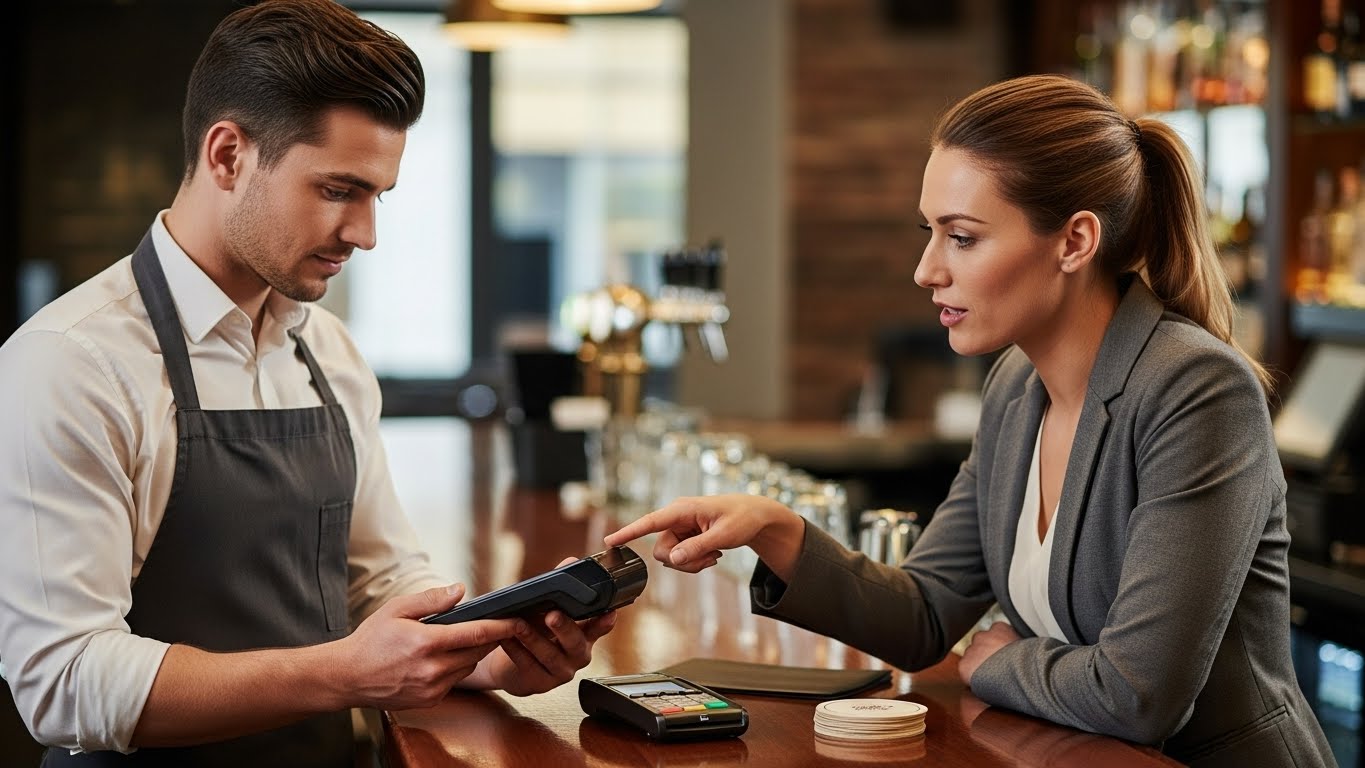
Contactless payment card machines for bars have revolutionized how customers settle their tabs, with these transactions accounting for nearly 60% of all credit card payments in the UK during 2022. While the technology itself is impressive, the most common reason payment implementations fail isn’t technical issues—it’s inadequate staff training. As bar owners, we’ve seen firsthand how properly trained staff can make or break the customer payment experience.
In fact, restaurants that reduce friction in their payment process can experience up to a 15% increase in table turnover. Furthermore, approximately 40% of guests are more inclined to leave a review if the payment process runs smoothly. Consequently, training your bar staff on payment card machines isn’t just about operational efficiency—it directly impacts your bottom line. Unintentional errors due to inexperience could ultimately cost you money and time while negatively affecting customer satisfaction.
Throughout this guide, we’ll walk you through a comprehensive approach to training your bar staff on card payment terminals. From assessing individual tech comfort levels to creating role-specific training plans and implementing ongoing learning strategies, you’ll learn how to develop confident, efficient staff who can handle payment technology with ease.

Assess Staff Readiness and Training Needs
Before diving into card machine training, assessing where your staff currently stands is essential. This initial evaluation saves time and creates more effective training sessions tailored to your team’s specific needs, especially when mastering the use of a Payment Card Machine for Bar operations.
Identify tech comfort levels
The first step in developing an effective training program is gaging your staff’s comfort with technology. Rather than assuming everyone has the same baseline knowledge, conduct a brief technology comfort assessment. Consider asking:
- How comfortable are they using technology in general?
- What types of technology do they use regularly?
- How often do they seek help when using new technology?
This assessment helps identify who might need extra support versus who could potentially help train others. Not all employees learn at the same pace – some pick up payment systems quickly, while others struggle with navigation or advanced functions.
bar-specific payment workflows
Bar environments present unique payment challenges compared to traditional retail settings. Your bartenders need to ring up complex drink combinations quickly, especially during high-volume hours. A payment system that works beautifully in a boutique might cause frustrating bottlenecks behind your bar.
Take time to map out common payment scenarios specific to your establishment:
- How often do customers split checks?
- What drink customizations require special buttons?
- How do tabs work in your system?
Understanding these workflows ensures your training addresses real situations bartenders face nightly, rather than generic payment processing.
Choose the right training time
Timing is everything when it comes to effective training. Most venues benefit from a 3-5 day structured training schedule, followed by supervised shifts. However, be mindful that bartenders work for tips, and most cannot afford extended periods on minimum training wage.
Additionally, avoid pulling staff off the floor for hours of training during service times. Instead, schedule short, structured lessons before or after shifts. With restaurant employee turnover reaching approximately 75% annually, proper training should happen immediately upon hiring.
Remember that training doesn’t end after orientation. Plan for 30-day, 60-day, and 90-day reviews to track development and schedule quarterly refreshers that can be as brief as 20-30 minutes during pre-shift meetings.

Build a Role-Based Training Plan
Structuring your training around specific job roles creates efficiency and enhances security in your bar’s payment operations. According to training experts, a role-based approach can reduce staff errors by up to 30%.
Basic operations for all staff
Every team member needs foundational payment terminal skills. Focus initially on the “big three” fundamentals:
- Initiating transactions: Train staff to verify amounts with customers before processing to prevent costly errors
- Processing different payment methods: Demonstrate chip and PIN insertion, contactless tapping, and mobile wallet payments
- Managing receipts: Show how to print physical receipts or send digital ones based on customer preference
For bartenders specifically, these basics should include pre-authorization of credit cards to verify funds—essential for avoiding bounced payments in fast-paced environments. Essentially, every staff member should complete mock transactions through role-play scenarios to build muscle memory.
Advanced features for supervisors
Following the basics, supervisors require additional training on oversight functions. Train them thoroughly on handling:
- Voids, refunds, and transaction overrides
- Split payments for group tabs (a common pain point)
- Troubleshooting common error messages
- Customizing drinks and special orders in the system
Supervisors should also learn to identify potential security issues. Create a standardized approval process for returns, discounts, and price adjustments that maintains audit trails for security compliance.
Admin tasks for managers
Bar managers need comprehensive system knowledge primarily focused on administrative functions. Their training should cover:
- Running and analyzing sales reports and employee performance metrics
- Managing inventory through the payment system
- Creating and updating menu items and pricing
- Setting up user profiles with appropriate security permissions
Notably, managers should learn how the payment system integrates with other bar operations. Consider assigning mentors for the first week so new users have trusted contacts during busy periods. This approach ensures everyone has the right tools and knowledge for their specific role.
Use Hands-On and Visual Training Methods
Hands-on experience proves far more effective than theoretical training when teaching staff to use payment card machines for bars. Studies show that practical learning increases knowledge retention by up to 75% compared to lecture-style instruction alone.
Mock transactions and role-play
Setting up a practice terminal in demo mode creates a safe learning environment where staff can build confidence without affecting real transactions. Create scenario-based exercises that mirror common bar situations:
- Processing split tabs during a busy Friday night
- Handling declined cards without embarrassing customers
- Managing tip adjustments and voided orders quickly
Role-playing these scenarios is particularly valuable because it simulates the pressure of real service while allowing for mistakes. Have staff pair up—one playing customer, the other bartender—and time how quickly they can process transactions. Afterward, provide immediate feedback on their performance to reinforce proper technique.
Step-by-step visual guides
Place laminated reference cards near payment terminals highlighting frequently used functions. These “cheat sheets” serve as safety nets during busy shifts and should outline basic processes like contactless activation, handling declined cards, and processing refunds.
For maximum effectiveness, keep these guides concise—focusing on one process per card rather than overwhelming staff with comprehensive manuals. Moreover, organize training into small, focused modules covering specific functions rather than attempting to teach everything at once.
Short video demos for quick learning
Short, targeted video tutorials provide exceptional flexibility for training bar staff. These brief demos allow employees to:
- Learn at their own pace without disrupting regular duties
- Revisit challenging concepts when needed
- Access training materials via their smartphones
Video training particularly excels at demonstrating visual processes like operating card machines, increasing engagement compared to traditional methods. Furthermore, creating a digital library of common procedures ensures consistent training across all staff members regardless of when they were hired.
Support Ongoing Learning and Updates
Training on payment card machines for bars doesn’t end after initial sessions—it requires ongoing support to maintain and enhance staff proficiency.
Create a feedback loop
Establishing multi-layered feedback channels ensures continuous improvement in card terminal usage. Set up anonymous suggestion systems for concerns staff might hesitate to voice openly, alongside regular weekly discussions. Simultaneously, monitor usage analytics to identify which features staff frequently use or avoid. The Central Bank of Ireland reports that payment technologies typically receive major updates every 12-18 months, making ongoing feedback crucial.
Schedule refresher sessions
Quarterly refresher courses reinforce best practices and address common errors. For instance, one restaurant manager implemented mandatory 15-minute weekly huddles focused on specific payment functions, resulting in a 20% reduction in discount-related errors within a month. Plan for targeted interventions whenever specific issues arise—if staff consistently make the same till error, hold dedicated training addressing that specific challenge.
Update staff on new features
Payment terminals frequently receive software updates adding capabilities like split-bill automation or language options for international tourists. Brief your team through short shift-start meetings whenever significant changes occur. Take just 60 seconds to highlight key differences, gather feedback on any glitches encountered, and celebrate improvements like increased tips or smoother table turnover.
Conclusion
Effective card machine training represents a vital investment for any bar establishment. Throughout this guide, we’ve explored comprehensive strategies to equip your team with payment processing skills that directly impact your bottom line. Staff assessments before training certainly save time and resources while creating personalized learning experiences tailored to individual comfort levels.
Role-based training plans undoubtedly strengthen your operation by ensuring each team member masters exactly what their position requires. Basic operations for everyone, advanced functions for supervisors, and administrative capabilities for managers create a well-structured payment ecosystem at your bar.
Hands-on practice through mock transactions and role-play scenarios proves significantly more effective than theoretical instruction alone. Visual guides and short video demos also help staff retain information and build confidence when handling real transactions under pressure.
Remember that training never truly ends. Feedback loops, refresher sessions, and regular updates about new features must become standard practice at your establishment. This ongoing commitment to learning ensures your staff remains comfortable with payment technology despite frequent updates and changes.
Bar environments present unique payment challenges compared to traditional retail settings. Your investment in thorough card machine training ultimately leads to faster service, happier customers, better reviews, and increased profits. Staff who confidently handle payment technology create seamless experiences that keep patrons coming back. After implementing these training strategies, you’ll likely notice improvements in transaction speed, reduced errors, and enhanced customer satisfaction – three key factors that drive long-term success in the bar industry.