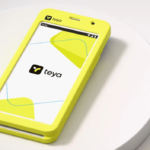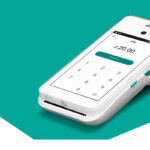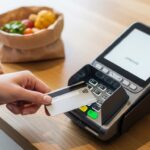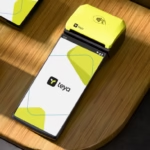
Card machines are more than just convenient payment tools for small businesses—they’re essential to stay competitive. Your payment system’s speed can make or break the customer experience at peak hours and affect your bottom line.
Small business owners need to think over several things before picking a card machine. Basic card readers cost between $0 to $100, while you’ll pay $200 to $800 for standalone models. Price shouldn’t be your only focus though. The best card machines for small businesses pack advanced features with portability. They support different payment types, come with resilient security features, and merge naturally with other business systems.
Mobile credit card readers give you exceptional flexibility. You can take payments anywhere your customers are—from tableside to curbside and farmers markets to clients’ homes. This flexibility is a great way to get more value when your business gets busy.
This piece will show you the quickest ways to handle payments during rush hours and cut down customer wait times. You’ll learn how to keep your card machine running smoothly when it counts, a priority for Small Businesses Card Machines. We’ll tackle security too, since online transactions are 90% more likely to face fraud than in-person payments.
How Card Machines Work During Peak Hours
Peak hours test your payment system’s limits. You need to understand what happens when a card transaction takes place to prepare for the rush and keep lines moving smoothly.
The payment flow from tap to approval
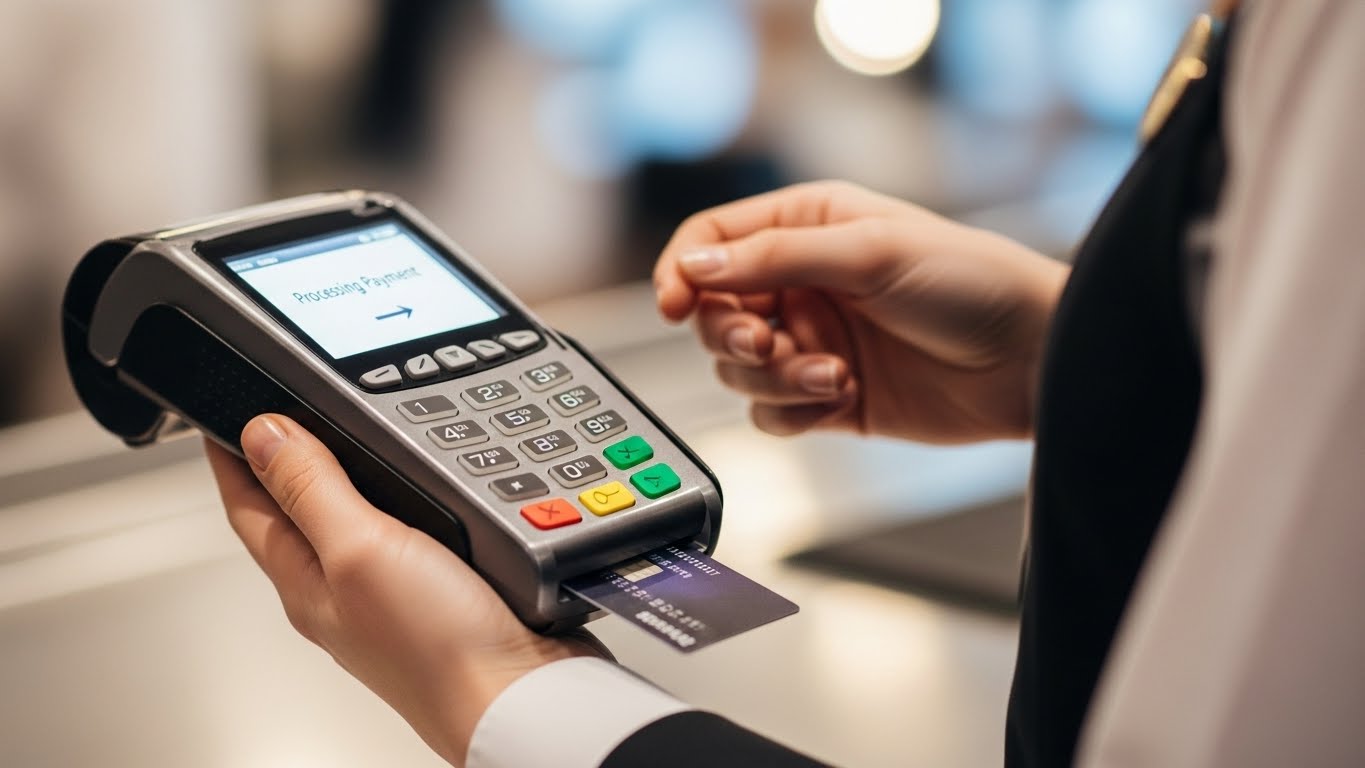
A complex but quick process starts when customers tap their cards on your terminal. Near Field Communication (NFC) technology makes this contactless exchange possible between devices that are just a few centimeters apart.
The payment information starts its trip from your card machine to your payment processor. It then moves to your acquiring bank, the card network (like Visa or Mastercard), and reaches the customer’s issuing bank.
The customer’s bank checks available funds, looks for fraud, and creates a one-time code for that specific transaction. This approval then flows back through these same channels until your card machine shows confirmation—the whole process takes just seconds.
What slows down transactions under load
The sophisticated technology can still hit bottlenecks during busy periods for several reasons:
Your connection quality really matters. Businesses that still use dial-up connections face major delays because EMV transactions send much larger data packets than traditional magstripe swipes.
POS application setup can vary quite a bit. Two merchants with similar card readers might see very different transaction speeds just because of their POS software settings.
Customers notice these differences too. They must keep their chip cards inserted until the transaction finishes, which feels longer than the quick magstripe swipe-and-go method. Many POS systems let customers insert cards while items are still getting scanned, which makes the process seem longer.
Why mobile card readers can be more efficient
Mobile payment solutions are a great way to get through peak hours. Modern contactless payment machines complete transactions in under 3 seconds, which keeps customers happy.
Staff can process payments anywhere in your business with these devices—perfect for places where customer traffic is hard to predict. Servers can bring lightweight terminals right to the table so customers can split bills, add tips, and pay without getting up.
These readers work offline too. They store transactions safely when WiFi isn’t stable and sync everything once the connection returns. Small businesses can handle peak hour rushes better by having multiple mobile payment options that prevent lines from building up.
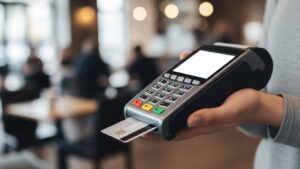
Choosing the Right Card Machine for Busy Times
You need to balance several factors when choosing the right payment solution. This becomes even more important when your business deals with high-volume periods.
Standalone vs mobile card readers
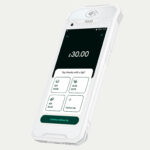
Standalone card machines work independently without needing other devices. They come with built-in keypads and can print receipts. These traditional terminals connect through landlines or desktop internet. Mobile card readers, on the other hand, are small devices that work with smartphones or tablets. They connect through Bluetooth, AUX cords, or USB cables.
The price difference between these options is quite large. Traditional standalone machines cost anywhere from $299 to $800, while mobile readers are much cheaper at $50 to $400. Traditional terminals usually need monthly contracts but offer lower transaction fees at 0.19% per swipe. Mobile readers charge more per transaction at about 2.75% but don’t have monthly fees.
Features to prioritize for peak hour use
Speed should be your main priority when processing payments. Look for readers that can complete transactions in about 2 seconds. Your connection options are also crucial. Choose devices that offer multiple ways to connect like Ethernet, WiFi, and Bluetooth to avoid slowdowns.
During busy times, you’ll want card machines that take all types of payments. This includes EMV chip, magstripe, and contactless NFC options like Apple Pay and Google Pay. Your customers’ data stays safe with security features like end-to-end encryption and PCI compliance.
The ability to process payments offline serves as a crucial backup when internet goes down. These machines store transactions safely until they can connect again. The interface should be easy to use, which helps reduce training time and mistakes.
Best options for small businesses
Square leads the pack with budget-friendly hardware. They offer a free card reader when you sign up and their devices look modern. Their system works well with Cash App and lets customers pay through links, QR codes, or tapping.
Clover gives you different hardware options that you can mix and match based on what your staff needs. Their complete solutions work great in businesses of all types, from small cafes to big retail stores.
PayPal Zettle shines when it comes to speed. It starts up in two seconds and processes contactless payments in five seconds. This system works great for mobile vendors who need reliable solutions that don’t cost too much.
The best card machine for you depends on how many transactions you process, what type of business you run, and what you need during your busiest hours.
Reducing Wait Times at Checkout
Customers hate waiting in line. Research shows that 73% of shoppers abandon their purchases when lines get too long. Your small business can cut down checkout times with these proven strategies.
Set up multiple payment terminals
Additional payment stations throughout your store will reduce bottlenecks. Your staff can turn their smartphones and tablets into mobile credit card processors and become walking checkout counters. This approach lets employees process payments anywhere in the store, and customers can complete their purchases without waiting in line.
Use QR codes and digital wallets
QR code payments continue to grow rapidly. Global spending through this method will reach $3 trillion by 2025. These codes make checkout simple by:
- Letting customers pay from their phones without switching apps
- Completing purchases in just two clicks
- Making payments smoother than traditional methods
Digital wallets have become a must-have feature, with 85% of customers saying they make shopping easier.
Enable tipping and receipts digitally
Digital tipping platforms let you customize tip options based on purchase size. Fixed amounts work best for purchases under $10, while percentage options suit larger transactions better. Digital receipts cut paper costs and give customers easy access to their records.
Integrate with POS for faster item entry
A good POS system speeds up checkout by removing manual data entry. Barcode scanners with automated pricing cut transaction times, which means you can serve more customers with fewer staff members.
Security and Reliability During High Volume
Security risks grow as transaction volumes increase. Data breaches have compromised over 10 billion consumer records from more than 9,000 incidents in the US alone since 2005.
Ensure PCI compliance and encryption
Small business card machines must meet Payment Card Industry Data Security Standard (PCI DSS) requirements. Major credit card companies created this framework to establish baseline security standards for handling cardholder data.
PCI compliance depends on three core components:
- Secure collection and transmission of card data
- Proper data storage with appropriate security controls
- Annual validation of required security measures
Modern wireless terminals should use end-to-end encryption (E2EE) that protects sensitive information throughout each transaction. Point-to-point encryption (P2PE) offers even stronger protection and satisfies key elements of PCI’s Data Security Standards for cardholder data handling.
Avoid common errors and failed transactions
Technical issues or security concerns typically cause payment failures. Connectivity problems, gateway errors, and system outages lead to technical failures, especially during peak periods.
Regular updates to payment processing software and hardware help minimize these risks. The core team needs proper training to spot suspicious transactions and process payments correctly.
Implementing a multi-processor strategy with automated fallbacks can recover many failed payments. This system routes declined transactions through backup processors without customers noticing.
Have a backup plan for outages
Outages can happen despite careful preparation. A solid contingency plan should include:
- Extra payment devices that work independently
- Terminals that switch between Wi-Fi and mobile networks
- Mobile payment apps running on cellular data instead of Wi-Fi
- Offline processing capabilities that store transactions securely until connectivity returns
Clear communication matters during disruptions. Quick updates about problems and expected resolution times help maintain customer trust and show your steadfast dedication to service excellence.
Conclusion
Your customer experience and business efficiency will improve with smart peak hour payment management. A good card machine helps prevent long queues and keeps shoppers happy. You just need equipment that works fast, connects reliably, and handles all payment types to handle those busy periods.
Mobile card readers are exceptional tools for busy businesses. These devices let you process payments anywhere in your store. They work offline when needed and complete transactions in under three seconds. This makes them worth thinking over as part of your payment setup.
Long wait times substantially hurt your bottom line. Customers walk away when lines get too long. Multiple payment terminals, QR codes, digital wallets, and integrated POS systems keep your checkout moving smoothly.
Security stays crucial even during rush hours. Your business reputation and customer data stay protected through PCI compliance, encryption, staff training, and backup plans for outages.
Your payment system ended up needing the right mix of speed, security, and flexibility. Small businesses that choose their card machines wisely and use smart checkout strategies succeed even in the busiest hours. Smart payment technology investments today bring better customer satisfaction and higher revenue tomorrow.