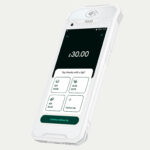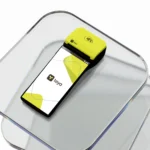

Choosing the right payment machine for café businesses can dramatically reduce wait times and transform your customer experience. During a busy breakfast rush, the last thing customers want is to wait in long lines, which is why modern POS machines process orders simultaneously on multiple terminals or through self-ordering apps.
In today’s café environment, payment flexibility is essential. A well-designed POS system seamlessly handles multiple order types, allowing you to open orders, put them on hold, split checks, and move items between tickets. Furthermore, modern systems accept everything from cash and chip cards to contactless payments and mobile wallets like Apple Pay and Google Pay. This versatility isn’t just convenient it’s becoming expected.
Data-driven decision making is another advantage we can’t overlook. The best payment systems offer real-time sales reports and analytics dashboards. These insights help you make smarter business decisions, such as which pastries to promote next week or when to schedule additional staff.
In this guide, we’ll walk you through everything you need to know about selecting the perfect payment solution for your UK café or restaurant. From essential features to popular providers like Square and Toast, we’ll cover the options that can transform how you serve customers and manage your business.
The Role of Payment Solutions in UK Hospitality
The payment experience represents the final moment of truth for hospitality businesses across the UK. What was once merely a back-office function has evolved into a frontline tool that drives revenue, efficiency, and customer experience.
Why traditional tills no longer work
Traditional cash registers have become increasingly obsolete in today’s digital landscape. Manual calculations and outdated systems inevitably lead to errors when processing orders or payments, slowing down service and frustrating customers, a problem directly addressed by a modern payment machine for café operations. Research indicates that managing cash is not only time-consuming but also relatively unsafe and unhygienic as it travels from person to person and requires counting, securing, and depositing at banks.
Beyond these challenges, traditional tills lack integration capabilities with modern hospitality management platforms. Without proper integration, payment systems become complications rather than solutions in an already complex environment. Meanwhile, as cash payments in the UK plummeted from 54% to just 14% between 2012 and 2022, businesses clinging to legacy systems risk missing significant revenue opportunities.
How modern payment systems improve service speed
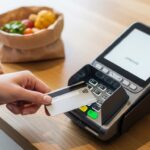
Modern payment solutions dramatically accelerate service delivery. Contactless transactions can be completed up to ten times faster than traditional card swipes, significantly reducing wait times and boosting table turnover. Pay-at-table and QR code solutions eliminate the traditional back-and-forth journey to fixed tills, allowing servers to focus on customer service rather than running cards across the dining room.
Additionally, integrated systems streamline operations by connecting front-of-house service with back-office management. According to research, food businesses that prioritize quick service saw an impressive 18.9% year-on-year growth, highlighting the direct impact of efficient service on profitability.
The impact on customer satisfaction and loyalty
Customer expectations have evolved considerably – 77% of guests now request contactless payments (especially in cafés), while 44% prefer mobile wallet options like Apple Pay and Google Pay. In fact, studies show that nearly half of restaurant loyalty members (47%) use their memberships several times a month.
Moreover, approximately 70% of people consider quick service and short wait times crucial factors influencing their decision to revisit a restaurant. This explains why 59% of UK retail and food & beverage businesses now put payments at the heart of their customer experience strategy.
Importantly, customers tend to spend approximately 12-18% more when using contactless payment methods compared to cash transactions, making modern payment systems revenue-generating investments rather than mere operational expenses.
Essential Features to Look for in a Payment Machine for Café or Restaurant
Selecting the right payment features for your café can directly impact your bottom line and operational efficiency. The ideal payment machine should align with your specific business needs rather than forcing you to adapt your processes to technology limitations.
Fast and flexible payment processing
Speed is non-negotiable in busy hospitality environments. Modern payment systems can process contactless transactions up to ten times faster than traditional methods, dramatically reducing wait times during peak hours. Look for machines offering instant transaction processing with immediate confirmation and the ability to handle split bills effortlessly particularly important for restaurants where groups frequently dine together.
Support for contactless and mobile payments
With contactless payments now accounting for over 94% of eligible in-store card transactions under £100, this capability is essential. A comprehensive payment solution should support:
- Traditional chip and PIN transactions
- Contactless cards (Visa, Mastercard, Amex)
- Mobile wallets (Apple Pay, Google Pay, Samsung Pay)
- QR code payments for table service
Integration with POS and inventory systems
Your payment system should seamlessly connect with your existing business tools. Consequently, look for solutions that integrate with inventory management, table booking platforms, and accounting software. This integration helps synchronize order data, keep real-time tabs on which tables have settled, and maintain consistent accounting logs without juggling multiple systems.
User-friendly interface for staff
Given the high turnover rate in hospitality, an intuitive interface that new staff can master quickly is invaluable. The best systems require minimal training time, letting managers focus on service rather than troubleshooting technical issues. Furthermore, portable or mobile terminals enhance flexibility, enabling payments to be taken anywhere in your establishment.
Security and compliance with UK regulations
Security is paramount for protecting both your business and customers. Essential security features include PCI DSS compliance, point-to-point encryption (P2PE), and tokenization of sensitive data. Primarily, these technologies work together to secure transactions encryption protects data in transit, tokenization removes sensitive details from your systems, and authentication protocols confirm transaction legitimacy.
Comparing Popular Payment Solutions in the UK Market
The UK market offers several robust payment solutions tailored specifically for cafés and restaurants. Each system brings unique advantages worth considering for your hospitality business.
Square
Square provides a comprehensive ecosystem for hospitality businesses with flexible hardware options including iPad-based solutions. Their software starts with a free plan, plus more advanced features at £69 per month. Initially designed for smaller venues, Square now scales effectively for growing restaurant chains with features like tableside ordering and customer-facing displays.
Zettle by PayPal
Zettle stands out for UK-focused small cafes with its straightforward approach. There’s no monthly fee you pay only when you’ve been paid. Plus, their “Tap to Pay” feature allows compatible iPhones or Android devices to accept contactless payments without additional hardware. Notably, Zettle processes payments 58% faster than market average.
SumUp
SumUp offers hospitality-specific solutions with pay-as-you-go pricing at 1.69% per transaction or a subscription option at £19/month that reduces fees to 0.99%. Their dedicated POS software helps manage orders, inventory, and payments from one central location, making it ideal for cafés with seasonal fluctuations.
Dojo
Dojo, the UK’s self-proclaimed #1 payments provider, offers next-day setup for contactless payments. Their machines feature built-in 4G connectivity for continuous operation even when Wi-Fi fails. Hence, they process over 1.8 billion transactions yearly with 99.99% uptime. They integrate with over 450 EPOS systems more than any other UK provider.
Worldpay
Worldpay processes approximately 70-80% of UK card transactions by volume. They partner with major restaurant businesses, supporting multiple channels including kiosks, mobile apps, and drive-thrus. Despite being primarily enterprise-focused, they offer solutions for businesses of all sizes with customizable pricing structures.
EPOS Now
EPOS Now provides payment processing with one fixed rate for all card transactions, including American Express. Instead of requiring separate merchant accounts, they offer complete integration within their POS ecosystem. Their PCI-compliant terminals feature encryption technology, ensuring safe transactions while simplifying compliance requirements.
Scalability, Pricing, and Long-Term Considerations
Examining the financial structure of payment solutions reveals critical factors that impact your café’s profitability over time. Understanding these nuances helps you avoid costly mistakes when selecting a system.
Monthly fees vs. transaction-based pricing
Payment providers typically offer two primary pricing structures. Monthly subscription models (£19-£49/month) often include reduced per-transaction costs, making them ideal for high-volume cafés. Alternatively, pay-as-you-go pricing (typically 1.69%-1.75% per transaction) eliminates fixed costs but may prove more expensive as your business grows.
Some providers offer blended rates for predictable budgeting, whereas others use cost-plus structures better suited for high-volume establishments. Watch for hidden charges like minimum monthly transaction fees, PCI non-compliance penalties, and early termination costs.
Hardware costs and setup fees
Complete POS setups range from £600 for basic configurations to £3,000+ for premium systems. Beyond purchase costs, consider whether leasing (£45+VAT monthly) might better suit your cash flow. Overall, many providers have eliminated setup fees, though professional installation still ranges from £150-£700 per terminal.
Multi-location support and cloud access
For cafés with multiple locations, centralized management is essential. Cloud-based systems allow real-time monitoring of transactions across all sites. Furthermore, look for simplified reconciliation features that reduce administrative workload and centralized refund capabilities.
Customer support and service reliability
Primarily, evaluate response times Dojo claims to answer calls four times faster than competitors. Similarly, comprehensive support packages cost between £240-£1,200 annually. Finally, select providers offering dedicated account managers who understand hospitality industry challenges.
Conclusion
Selecting the right payment solution stands as one of the most critical decisions for your café or restaurant business. Throughout this guide, we’ve seen how modern systems drastically reduce wait times, enhance customer satisfaction, and provide valuable business insights. Cash payments have plummeted to just 14% in the UK, therefore adopting contactless and digital payment options has become essential rather than optional.
Your ideal payment system should balance several key factors. Fast processing speed, support for multiple payment methods, seamless POS integration, and robust security features will serve as the foundation of an effective solution. Additionally, user-friendly interfaces minimize training requirements, helping your staff adapt quickly despite hospitality’s typically high turnover rates.
The UK market offers several strong contenders worth considering. Square provides a comprehensive ecosystem, while Zettle delivers straightforward pay-as-you-go pricing. SumUp works well for seasonal businesses, Dojo boasts impressive uptime, Worldpay processes the majority of UK transactions, and EPOS Now simplifies compliance requirements. Each solution addresses different business needs, so the best choice depends on your specific requirements.
Long-term financial implications deserve careful consideration before making your decision. Monthly subscription models might benefit high-volume establishments, whereas transaction-based pricing suits businesses with fluctuating sales. Hardware costs, multi-location capabilities, and reliable customer support also play crucial roles in determining the overall value of your investment.
The right payment solution transforms more than just your transaction process it enhances your entire customer experience while streamlining operations. After all, those final moments of service often leave the most lasting impression on your guests. Choose wisely, and your payment system will become a powerful asset driving both customer loyalty and business growth.