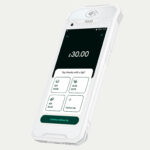

Payment machines for retailers have become essential in today’s digital economy. In fact, a Forbes Advisor survey from December 2023 shows that less than 10% of Americans use cash to pay for purchases. This dramatic shift away from cash means that having efficient payment processing systems is no longer optional for businesses of any size.
When customers enter our stores, they expect a seamless checkout experience. Choosing the right card reader for business is therefore crucial for providing a smooth customer experience and managing sales data effectively. Additionally, fast and reliable payment systems can significantly reduce checkout times, increase customer satisfaction, and ultimately boost sales.
Throughout this article, we’ll explore why speed matters in modern retail, how faster card payments improve customer flow, and the technology that makes it all possible. We’ll also provide practical guidance on implementing faster payment solutions in your store to create a more efficient and enjoyable shopping experience.
Why speed matters in modern retail
The speed at which retail transactions occur has become a critical factor in today’s marketplace. As shopping behaviors evolve, retailers face mounting pressure to deliver faster, more efficient payment experiences.
Changing customer expectations
Modern shoppers now demand efficiency at every touchpoint. Nearly 3 in 5 retailers report that changing customer expectations are the primary trigger for payment modernization initiatives, making the choice of an effective payment machine for retailers more crucial than ever. Furthermore, convenience and ease of use rank as the most desirable payment qualities for 61% of consumers.
This shift is particularly pronounced among younger generations. Millennials (45%) and Gen Z (32%) increasingly prefer digital payment options for in-store purchases. These demographics gravitate toward contactless payments, mobile wallets, and other digital solutions rather than traditional cash or credit cards.
The data speaks volumes: 84% of respondents in a 2022 study chose their preferred payment method based purely on convenience. Moreover, a striking 93% of financial institutions and 87% of retailers are currently involved in payment modernization programs or planning to initiate one.
The decline of cash and rise of contactless
Cash usage in the United States declined by over 20% from 2018 to 2020 and continues to decrease at approximately 4% annually. Experts project that cash will account for less than 10% of point-of-sale transactions in the US by 2024.
Meanwhile, contactless payments have surged dramatically. In one study, contactless spending increased by 254.4% year-over-year. Currently, contactless transactions make up 85% of grocery store purchases, 39% of pharmacy transactions, and 38% of retail store payments.

Impact of slow checkouts on sales
Slow checkout processes directly impact a retailer’s bottom line. Merchants are losing approximately $37.7 billion in potential sales due to long checkout lines. Similarly concerning, 61% of US consumers report having left stores because of excessive wait times.
Customer loyalty hangs in the balance 18% of shoppers would switch their primary grocery store due to poor checkout experiences. About 80% of customers occasionally avoid stores entirely if they anticipate long waits.
For retailers using card readers for business operations, understanding these trends isn’t just informative it’s essential for survival in an increasingly competitive landscape where payment machine efficiency can make or break customer relationships.
How faster card payments improve customer flow
Fast card payments dramatically improve in-store customer flow by eliminating traditional checkout bottlenecks. Research shows that retailers are losing approximately $37.70 billion in potential sales specifically due to long checkout lines.
Streamlining the checkout process
Reliable and fast payment processing plays a vital role in ensuring a smooth customer journey. Above all, nothing sours a shopping experience more than stumbling at the finish line with slow or unreliable payment processing. Integrated payment systems allow transactions to seamlessly flow between platforms, eliminating manual input into separate payment terminals after processing them on the POS.
The benefits extend beyond customer satisfaction. Streamlined transactions result in less time spent on administrative tasks and reduce manual errors, consequently improving overall operational productivity. Staff can then focus on providing excellent service rather than managing complicated checkout procedures.
Reducing friction at the point of sale
Approximately 55% of shoppers abandon purchases specifically because of payment friction caused by clunky checkouts, limited payment options, or high service fees. At the same time, exceptional checkout experiences can increase completion rates by up to 43%.
To reduce this friction, offering multiple payment methods is crucial. From credit cards and digital wallets to contactless options, providing variety accommodates different preferences and builds trust. Essentially, customers should be able to pay how they want, wherever they are.
Creating a seamless in-store journey
A truly seamless shopping experience allows customers to move easily between physical stores and online platforms. Omnichannel shoppers specifically seek experiences that are consistent across locations and platforms.
Fast payment processing creates this seamless experience in several ways. Contactless payment options and mobile payment solutions not only speed up the checkout process but add a layer of convenience that makes customers feel valued. Throughout the customer journey, from browsing to payment, removing unnecessary steps and making interactions frictionless helps build loyalty that drives growth.
Technology behind fast card payments
The remarkable speed of modern payment systems relies on sophisticated technologies working behind the scenes. Understanding these innovations helps retailers select the right payment machine for their business needs.
NFC and contactless payment systems
Near Field Communication (NFC) technology forms the backbone of contactless payment systems. This short-range wireless technology enables devices to exchange encrypted data when held within approximately two inches of each other. Modern contactless payments operate through radio-frequency identification (RFID) at 13.56MHz, creating secure connections that never exceed 10 centimeters.
The contactless revolution has gained significant momentum, with 51% of American consumers now using some form of contactless payment. Most commonly, these transactions occur via:
- EMV chip cards with embedded smart chips using RFID technology
- Tokenization systems linking smart cards to mobile devices
- NFC-enabled smartphones using digital wallet applications like Apple Pay or Google Pay
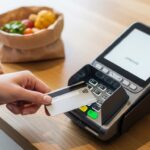
Each contactless transaction generates a one-time token, ensuring your card information isn’t transmitted to retailers, making tap-to-pay transactions up to 10 times faster than traditional methods.
POS integration and real-time processing
Point-of-sale integration connects payment systems with other business applications, creating unified data flows across operations. According to MIT research, businesses implementing real-time systems experience 97% higher profit margins.
Modern POS systems utilize APIs that function as translators, converting payment information into formats other systems understand. This integration allows transaction data to flow automatically between sales, inventory, and accounting platforms, cutting down on costly manual work while improving accuracy.
Security and PCI compliance
PCI Data Security Standards (PCI DSS) provide the essential framework for protecting payment transactions. Given that debit and credit cards account for over 60% of consumer payments, implementing these standards is crucial for retailers.
PCI compliance requires establishing a complete security framework with 12 core requirements that protect cardholder data throughout the payment lifecycle. For businesses using card readers, implementing point-to-point encryption and tokenization provides robust protection by replacing sensitive card numbers with random tokens.
These security measures not only protect customer data but ultimately strengthen a retailer’s overall security posture against evolving threats, helping build the trust essential for long-term business relationships.
How to implement faster card payments in your store
Implementing faster payment solutions requires a methodical approach that begins with honest assessment of your current system. Let me guide you through each step of this essential process.
Assessing your current setup
Initially, evaluate your existing payment infrastructure by reviewing transaction processing times and customer feedback. Reliable payment processing plays a vital role in ensuring a smooth customer journey. Examine whether your current system integrates with your POS or requires manual input into separate terminals after processing. Furthermore, assess whether your payment processor is PCI compliant to prevent unauthorized access that could lead to regulatory penalties.
Selecting the right card reader for business
For accepting multiple payment types, consider an all-in-one POS system that combines necessary components into a single device. With this in mind, look for:
- Compatibility with mobile payments like Google Pay and Apple Pay
- Reliable connectivity options (Wi-Fi or cellular)
- Transaction processing speed (ideally around two seconds)
- End-to-end encryption and security features
The nature and size of your business significantly influences the type of payment machine that would best suit your needs.
Training staff for efficient use
Certainly, proper training ensures your team can handle transactions smoothly while providing excellent customer service. Focus training on:
- Processing standard transactions including returns and refunds
- Handling various payment methods properly
- Maintaining eye contact and engagement during checkout
- Troubleshooting common technical issues
Monitoring performance and feedback
Finally, implement payment monitoring systems to track key metrics in real-time. Consider setting up alerts for metrics such as authorization rates and decline rates to quickly identify potential issues. Once alerted to problems, you can access necessary details through event monitoring tools to determine why issues occurred and their impact. This proactive approach helps maintain high payment success rates and customer satisfaction.
Conclusion
Fast payment systems now represent a critical competitive advantage for retailers rather than just a convenience. Throughout this article, we’ve seen how modern customers expect efficiency, with younger generations particularly drawn to contactless and digital payment options. Additionally, the data clearly shows how lengthy checkout processes directly impact sales, with businesses losing billions due to payment friction.
The benefits of implementing faster card payments extend far beyond just speeding up transactions. Certainly, streamlined checkout processes create smoother customer flows, allowing staff to focus on service rather than managing complicated payment procedures. Reducing friction at the point of sale significantly decreases abandoned purchases while potentially increasing completion rates by up to 43%.
Behind these advantages lies sophisticated technology from NFC and contactless systems to integrated POS solutions with real-time processing capabilities. These technologies work together to create the seamless shopping experiences customers increasingly demand while maintaining robust security standards.
Taking a methodical approach to implementation will yield the best results for your store. First, assess your current setup honestly. Then, select a card reader that aligns with your business needs. Proper staff training and consistent performance monitoring complete the formula for payment processing success.
Fast payment processing no longer qualifies as optional in today’s retail environment it has become essential. Customers judge their entire shopping experience based on the final checkout interaction. Therefore, investing in efficient card payment systems represents one of the most impactful ways we can improve customer satisfaction, increase operational efficiency, and ultimately drive more sales in our stores.