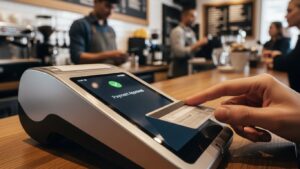
Credit card readers have become essential tools for small businesses looking to meet changing customer payment preferences. As takeaway owners across the UK, we’ve witnessed a significant shift in how customers prefer to pay for their food orders in recent years.
The decision between accepting card payments or remaining cash-only isn’t just about personal preference anymore. In fact, choosing the right credit card reader is crucial for small businesses aiming to streamline payment processes and scale efficiently. For takeaway establishments specifically, this choice directly impacts customer satisfaction, operational efficiency, and ultimately, your bottom line.
Throughout this article, we’ll examine what UK customers truly prefer when paying for takeaways, explore how payment preferences vary across demographics, and discuss the practical considerations of implementing different payment systems in your business. Additionally, we’ll look at how the best credit card readers combine advanced capabilities with portability while supporting various payment methods.
How UK takeaway culture shapes payment habits
The takeaway landscape in Britain has fundamentally changed since 2020, creating new norms in how customers pay for their food.
Growth of takeaway services post-pandemic
British consumers have embraced takeaway food with remarkable enthusiasm. Post-pandemic figures reveal takeaway consumption has remained 50% above pre-pandemic levels. The UK food delivery market has expanded dramatically, surging from £7.6bn in 2019 to a projected £14.3bn in 2025 – representing an astonishing 87% increase. For businesses capitalising on this demand, having a reliable payment machine for takeaway operations is a fundamental component for capturing sales. Furthermore, recent data shows delivery and takeaway sales increasing by 13.5% year-on-year in July 2025 alone.
This persistent growth means food establishments must adopt reliable credit card readers to handle the increasing volume of transactions efficiently.
Shift in customer expectations
Today’s takeaway customers bring heightened expectations to every order. Notably, 40% of people in the UK now order up to three food deliveries weekly – 7% more than before inflation hit. Despite rising costs, customers remain willing to pay premium prices for high-quality meals, provided the experience matches their expectations.
Payment preferences have evolved accordingly. Currently, 54% of UK shoppers consider contactless their favorite in-store payment method – a 14% increase since 2023. Across age demographics, younger consumers (18-24) lead mobile wallet adoption for in-person payments.
Role of digital platforms in ordering and payment
Digital platforms have thoroughly transformed how takeaway businesses operate. Online ordering systems now provide valuable data insights that help businesses analyze customer preferences and optimize operations. These platforms create seamless connections between customers and businesses through integrated payment solutions.
Mobile apps have become central to the takeaway experience, with 39% of consumers preferring to order through them. Interestingly, customers ordering via apps or websites typically spend more per order than those choosing in-person or phone ordering methods. In fact, half of all takeaway spending in 2020 flowed through platforms like Just Eat.
For takeaway owners, integrating modern credit card readers with these digital platforms represents more than convenience – it’s becoming essential for business survival in this rapidly evolving market.
What customers prefer: card or cash?
UK consumers continue to show diverse payment preferences when ordering takeaways. Understanding these preferences is crucial for businesses considering which credit card reader to implement.
Recent surveys and statistics
Debit cards clearly dominate the UK payments landscape, accounting for half of all transactions in the country. Even so, cash remains remarkably resilient as the second most frequently used payment method. Recent data shows cash payments increased to 6.4 billion transactions, representing 14% of all payments. Meanwhile, contactless payments have grown substantially, with 17 billion transactions recorded – a 30% increase from the previous year.
Interestingly, after years of decline, cash usage has experienced a modest resurgence. The British Retail Consortium reports cash use rose to 19.9% of transactions in 2023, up from 18.8% in 2022. Moreover, 56% of Britons still carry cash and use it in-store – a 26% increase since 2023.
Age and demographic influences
Payment preferences vary significantly across different age groups:
- Young adults (16-24): 78% regularly use mobile payments, making them the most enthusiastic adopters
- Middle-aged adults (35-44): 59% regularly make mobile payments, up from 38% a year earlier
- Seniors (65+): Only 19% regularly pay by phone, though this represents growing adoption
Cash particularly remains popular among older consumers, with 25% of people aged 55+ preferring cash compared to just 8% of 25-34 year-olds. Socioeconomic factors also influence payment choices, as lower-income groups (C2DE) are more likely to use cash weekly (43%) compared to more affluent groups (35%).
Urban vs rural preferences
Geographic location significantly impacts payment preferences across the UK. Urban centers have embraced cashless payments more rapidly than rural communities. Northern Ireland stands as a notable exception, with 54% of its population using cash at least weekly – substantially higher than the national average of 39%.
For takeaway businesses, having a versatile credit card reader that accommodates these varied preferences is becoming essential, particularly considering that 52% of consumers find cash-only businesses “inconvenient”.
Comparing card vs cash in takeaway transactions
For takeaway businesses, choosing between card and cash transactions involves weighing several important factors that directly impact both operational efficiency and customer satisfaction.
Speed and convenience
Card payments significantly streamline the takeaway purchase process. According to recent research, 68% of consumers believe using payment cards is faster than paying with cash. This efficiency translates to real business benefits electronic payments can expedite service, consequently allowing restaurants to serve more customers in less time. Contactless transactions are particularly swift, taking approximately 15 seconds to complete twice as fast as traditional card methods.
Furthermore, card payments eliminate common cash-related inconveniences. Customers no longer need to deal with issues like being stuck in long lines (62%), searching for cash in wallets (48%), or dropping money (28%). Above all, 77% of consumers appreciate that cards let them get exactly what they need without being limited by available cash.
Hygiene and safety concerns
Handling cash in food service environments presents genuine sanitary risks. Cash bills can harbor contaminants, making cashless systems a healthier choice—a consideration that became especially important during the pandemic. Unfortunately, these concerns aren’t merely theoretical; inspections regularly uncover hygiene issues in takeaways, as evidenced by cases like the Darlington takeaway where environmental swabbing revealed contamination levels nearly 30 times higher than acceptable standards.
Transaction fees and hidden costs
Although card processing fees typically range from 0.7%-3.4% for credit cards and 0.4%-1.7% for debit cards, cash handling incurs its own substantial expenses. The true cost of managing cash can range from 4.7%-15.3% of transaction value when accounting for labor (counting/reconciling), security measures, and risk of theft. Many takeaways must invest 15-20 hours weekly just counting cash.
Impact on tipping behavior
Digital payment methods are transforming tipping practices in the UK. Touch-screen POS systems now routinely prompt customers to tip before completing purchases. Interestingly, people who leave gratuities on touch screens tend to tip approximately 11% more than when using cash. Nevertheless, this digital approach creates pressure, as customers must actively opt out of tipping, often while servers watch—potentially causing discomfort.
How takeaways are adapting to customer preferences
Takeaway establishments across Britain are increasingly adapting their payment systems to meet evolving customer expectations.
Rise of contactless and mobile payments
Nearly one in three payments in the UK were made using contactless methods in 2021, marking a 36% increase from 2020. Remarkably, mobile wallet usage has surged with 57% of UK adults now registered for these services. This shift extends beyond young consumers, as even 19% of those aged 65+ regularly pay by phone.
Adoption of credit card readers by small vendors
Small takeaway vendors are embracing portable credit card readers primarily because 43% of shoppers would cancel their purchase if faced with cash-only options. These lightweight devices offer impressive flexibility some with 50-meter Bluetooth range or 4G connectivity for outdoor events. Businesses report faster transactions subsequently reducing queues during peak times.
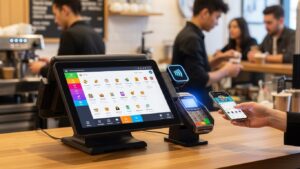
POS system integration in takeaway businesses
Modern takeaway POS systems now offer end-to-end encryption and PCI-DSS-compliant payment processing. These systems streamline operations through:
- Kitchen Display Systems showing orders from all channels
- Integration with online ordering platforms
- Tableside payment capabilities improving efficiency
Challenges for cash-only businesses
Cash-only takeaways face mounting difficulties as 59% of consumers exclusively visit establishments accepting alternative payment methods. Furthermore, these businesses cannot pursue online expansion opportunities essential for growth in today’s market. However, legislation supporting cash acceptance continues to gain momentum, with 71% of adults supporting legal requirements for businesses to accept cash.
Conclusion
As we’ve seen throughout this article, the payment landscape for UK takeaways has shifted dramatically in recent years. Although debit cards now account for half of all transactions, cash still maintains its position as the second most popular payment method. This balance reflects the diverse preferences across different demographics, with younger customers overwhelmingly favoring mobile and contactless payments while many older consumers still prefer traditional cash transactions.
For takeaway businesses like ours, adapting to these changing preferences isn’t optional anymore it’s essential for survival. The facts speak for themselves: 43% of shoppers would abandon their purchase if faced with cash-only options, yet 56% of Britons still carry and use cash regularly. Therefore, the most successful takeaway establishments will be those that accommodate both payment worlds.
The pandemic certainly accelerated the adoption of cashless payments, but the sustained growth of the takeaway market (50% above pre-pandemic levels) suggests these changes are permanent. Meanwhile, the practical benefits of card payments faster transactions, improved hygiene, and streamlined operations offer compelling reasons for businesses to invest in reliable credit card readers.
Nevertheless, regional differences remain significant. Urban centers have embraced cashless payments faster than rural areas, and Northern Ireland still shows a strong preference for cash. Subsequently, takeaway owners must consider their specific location and customer base when making payment system decisions.
Looking ahead, the integration of payment systems with digital ordering platforms will become increasingly valuable. Given that customers typically spend more when ordering through apps or websites, businesses that create seamless payment experiences across all channels will gain a competitive edge. After all, our ultimate goal isn’t just accepting payments it’s creating convenient, efficient experiences that keep customers coming back for more.