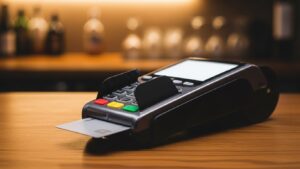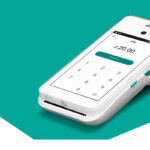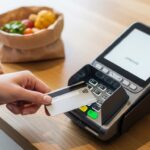
Running a busy bar means juggling countless tasks, but your bar POS shouldn’t be one of them. Many bar owners tell us they “worry so little about our POS system” amid the chaos of daily operations. In fact, having a reliable payment system can be transformative for your business.
The UK has witnessed a dramatic shift toward card payments in recent years, making an efficient bar POS system more essential than ever. Modern solutions offer contactless convenience that helps bars power through the nightlife rush, while providing customers with quick and secure payment experiences. With over 4 million devices shipped to small businesses across the hospitality industry, these systems are certainly becoming the backbone of successful bars nationwide.
In this article, we’ll explore why UK customers increasingly prefer card payments, how the right bar POS can enhance your operations, and what features to look for when choosing a system. Some bar owners have even reported slashing inventory management time by as much as 83% after switching to specialized bar point of sale software.
The shift from cash to card in the UK
The UK payment landscape has undergone a remarkable transformation over the last decade. Cards have firmly established themselves as the dominant payment method, creating new expectations for businesses across all sectors.
How card usage has grown in recent years
Card payments now account for an impressive 64% of all transactions in the UK. Debit cards lead the charge with 26.1 billion payments in 2024, demonstrating their status as the UK’s preferred payment method. Furthermore, the total value of card spending reached a historic milestone in 2024, surpassing £1 trillion for the first time.
Contactless technology has been a major driver behind this growth. Around 61% of all card payments are now made using contactless methods. This preference extends to mobile payments as well, with 57% of UK adults now using mobile wallets, compared to just 42% in 2023.
Decline of ATM withdrawals and cash handling
Correspondingly, cash usage has plummeted to unprecedented levels. For the first time, cash transactions represent less than 10% of all payments in the UK, down from 23% in 2019 and a dramatic fall from nearly half (48%) a decade earlier.
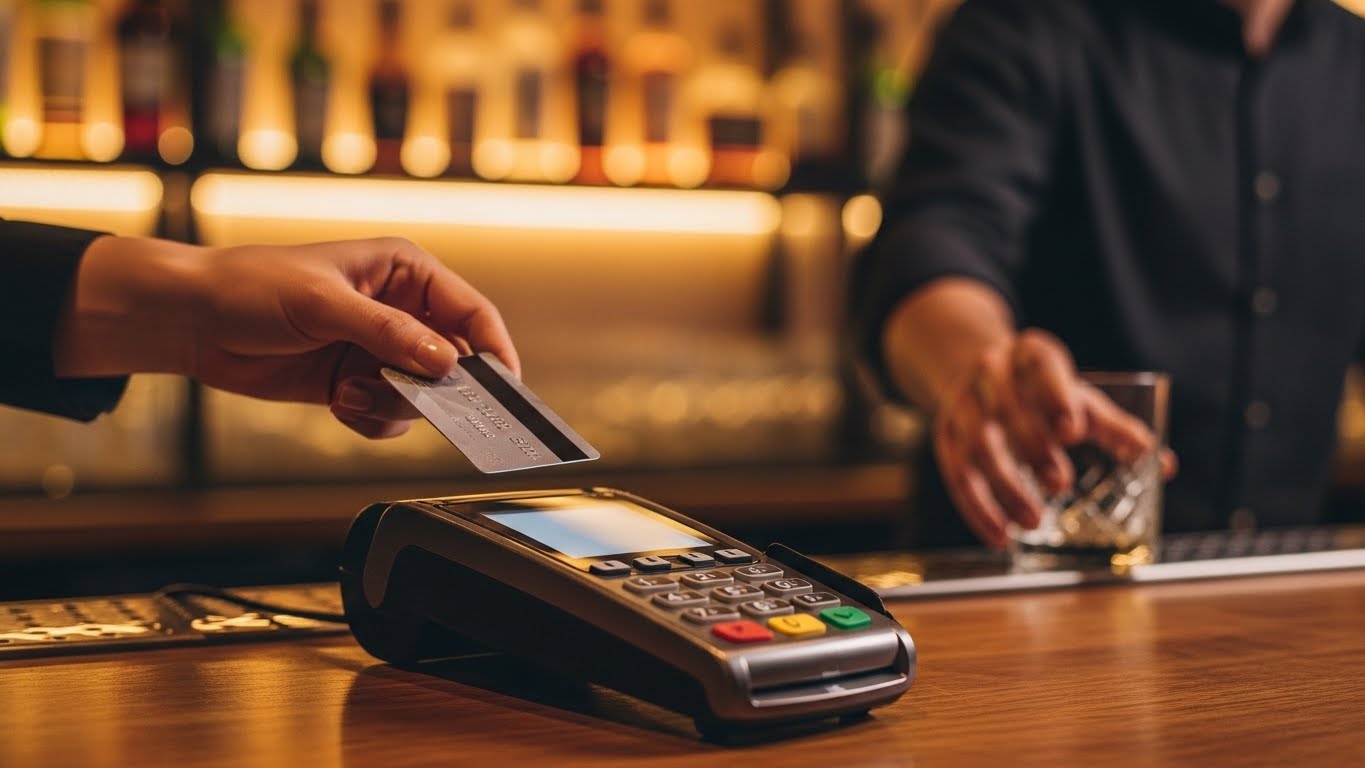
This steep decline underscores the necessity for faster and more modern systems, like a dedicated Payment machine for bar, to handle the overwhelming preference for card and digital payments.
ATM withdrawals clearly illustrate this decline. In 2024, UK residents made 915 million cash withdrawals – 60 million fewer than in 2023, representing a 6.1% reduction. Although people are visiting ATMs less frequently, they’re withdrawing more per visit – typically around £90.
Notably, this shift varies regionally. Northern Ireland remains the most cash-dependent area, with people withdrawing £2,274 on average in 2024, compared to just £1,030 in the Southwest of England.
Impact of the pandemic on payment habits
The COVID-19 pandemic significantly accelerated existing payment trends. Prior to 2020, cash use was declining by approximately 15% annually. However, during the pandemic’s early stages, this decline accelerated by 35% compared to 2019.
Several factors drove this acceleration. Concerns about virus transmission prompted many businesses to encourage contactless payments. Additionally, many cash-heavy sectors like hospitality and entertainment were completely shut down during lockdowns.
Even after restrictions eased, the new payment habits persisted. The pandemic essentially brought forward the cash decline by over five years, creating a permanent shift in consumer behavior that bar owners must address with modern bar POS systems that seamlessly handle card transactions.
Why UK consumers prefer card payments
Card payments have become the cornerstone of UK consumer spending habits for compelling reasons. The mass adoption of card payments stems from practical advantages that align with modern shopping expectations, especially for patrons visiting establishments with a bar POS system.
Speed and convenience at checkout
Time is precious for UK shoppers, with card payments processing significantly faster than traditional cash transactions. Card transactions typically take just 15-20 seconds compared to 45-60 seconds for cash transactions involving change and receipts. This speed advantage translates directly to improved customer satisfaction, as queue reduction influences shopping satisfaction and likelihood of return visits. For businesses using a bar POS system, this efficiency means serving more customers during peak hours.
Contactless and mobile payment options
The explosive growth of contactless technology has revolutionized everyday purchases across the UK. Remarkably, 94.6% of all eligible in-store transactions now use contactless technology, with consumers averaging 236 contactless transactions annually. Mobile wallet adoption has likewise surged, with 57% of UK adults now using digital wallets, up from 42% in 2023. Among these users, 44% use mobile payments weekly or more often, demonstrating how quickly these convenient options become habitual.
Perceived safety and hygiene benefits
Beyond convenience, cards offer enhanced security features that cash simply cannot match. As one document notes, “We have sophisticated tools that monitor, detect and fight fraud at every step of the purchasing process”. The pandemic magnified safety concerns, accelerating the decline in cash usage by 35% compared to pre-pandemic levels. Many consumers now actively avoid businesses that don’t accept cards – approximately 75% of UK shoppers fall into this category.
Ease of tracking spending and budgeting
Modern banking apps provide unprecedented visibility into personal finances through:
- Automatic categorization of spending (groceries, transport, etc.)
- Visual breakdowns showing monthly trends
- Customizable transaction labeling with notes and receipts
This financial visibility represents a significant advantage over cash, as it helps consumers “identify areas where they can save money” through detailed spending insights unavailable with physical currency.
How businesses are adapting to card-first customers
Across the UK hospitality sector, traditional cash registers are giving way to sophisticated payment solutions designed specifically for card-first customers. The transformation is reshaping how establishments operate.
Rise of bar POS systems and digital tills
Modern bar POS systems now feature intuitive touchscreen interfaces and customer-facing displays that encourage seamless payments. Square Register, for instance, offers a fully integrated point-of-sale till system with a detachable customer display for smooth checkout experiences. These systems process contactless, chip and PIN transactions at competitive rates – typically around 1.75% per transaction. Beyond merely accepting payments, contemporary bar POS system solutions automate inventory tracking and generate real-time sales reports.
Integration with loyalty and rewards programs
Digital payment platforms increasingly connect with loyalty programs, encouraging repeat business. This integration helps establishments build customer databases, track preferences, and offer personalized promotions. Businesses providing multiple payment options reportedly increase revenue by nearly 30%.
Reduced need for cash handling and reconciliation
Managing cash involves substantial hidden costs – security measures, bank fees, and staff hours spent counting and reconciling. Consequently, digital transactions create perfect audit trails while eliminating manual cash register reconciliation errors.
Faster service and improved customer experience
Speed matters tremendously in busy bars. Card payments typically process in 15-20 seconds versus 45-60 seconds for cash transactions. Furthermore, approximately 75% of UK shoppers actively avoid establishments that don’t accept card payments.
The broader impact on the UK economy and society
Beyond processing transactions, the UK’s shift to card payments is reshaping the economic landscape. Card payments facilitated up to an estimated 6.5% of GDP in 2022, equivalent to £161bn, demonstrating their fundamental role in economic growth.
Increased financial transparency
Card payments provide governments greater ability to collect tax revenue by reducing unreported transactions. This transparency creates economic cycles where increased consumption translates into more jobs and greater prosperity. Additionally, businesses gain valuable data for improving products and services.
Challenges for cash-reliant demographics
According to FCA research, digitally excluded individuals are four times more likely to rely on cash, while those in low-income households are three times more likely. Furthermore, approximately 6% of UK adults still rely on cash for most purchases. These populations face mounting challenges as cash infrastructure declines, with 1,358 bank branches and 4,450 ATMs closing in the two years to June 2023.
Role of fintech and open banking
Meanwhile, open banking is extending financial innovation beyond traditional cards. With 11.7 million active users and 22.1 million monthly payments, open banking enables personalized financial services and potentially greater financial inclusion. Nevertheless, adoption faces hurdles many users remain unaware of available technology.
Future of cash in a digital economy
The Bank of England is exploring a digital pound, essentially “a banknote for the digital era.” Nevertheless, physical cash remains vital for national resilience during system failures, with 71% of British adults wanting legislation guaranteeing their right to use it.
Conclusion
The dominance of card payments in the UK represents a fundamental shift in consumer behavior rather than a passing trend. Throughout this evolution, businesses that adapt quickly gain significant advantages. Most notably, the rise of contactless technology satisfies the modern customer’s desire for speed and efficiency.
Accordingly, bar owners must recognize that investing in a comprehensive bar POS system amounts to far more than simply accepting digital payments. Indeed, these systems dramatically streamline operations, reduce errors, and provide valuable business insights through data analytics.
Meanwhile, cash continues its steady decline, though we must acknowledge that certain demographics still depend on physical currency. Therefore, while embracing digital payment technologies, businesses should maintain some cash capabilities to serve all customer segments.
After all, the businesses that thrive will be those that prioritize customer preferences above all else. Consequently, implementing versatile payment options represents not just operational efficiency but a customer-centric approach to service.
Looking ahead, the payment landscape will undoubtedly continue evolving with innovations like open banking and potential central bank digital currencies. Nevertheless, the core principle remains unchanged – customers expect seamless, secure, and swift payment experiences.
For bar owners specifically, the right POS system transforms from a simple transaction processor into a comprehensive business tool that enhances customer satisfaction while simplifying complex operations. Eventually, as these systems become standard across the industry, the question shifts from whether to adopt card-first strategies to how best to implement them for maximum benefit.