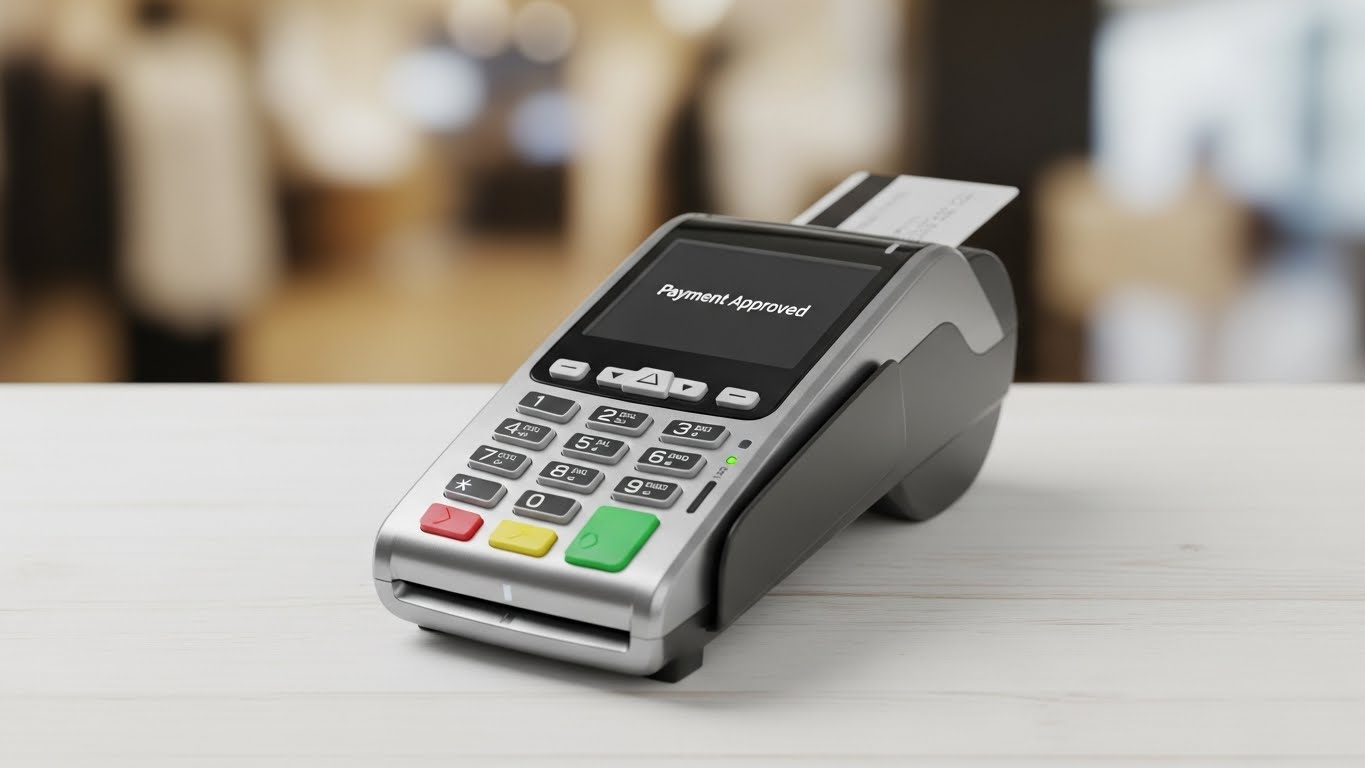
Choosing a Dojo card machine could potentially speed up your payment processing by 58% compared to market averages, according to an independent study by Savanta (2023). When running a business, every second counts at the checkout counter, and faster payments mean happier customers and shorter queues.
Additionally, Dojo card machines offer impressive financial benefits that set them apart from competitors. In fact, businesses can access transaction fees as low as 1% and receive next-day payouts seven days a week at no extra cost. This is particularly valuable for cash flow management compared to providers like Zettle, SumUp, and Clover, which might take two to three days for payouts.
We understand that selecting the right payment solution involves carefully weighing features against costs. That’s why we’ve created this comprehensive comparison between Dojo and other major UK card machine providers. Whether you’re concerned about connectivity options (Dojo machines include a SIM for 4G backup), contract flexibility, or integration capabilities, our guide will help you determine if Dojo is the right choice for your business needs.
Dojo card machines: What you get
Dojo offers three distinct card machine models designed to suit different business needs. Each device combines modern technology with user-friendly features to streamline your payment processing experience.
Dojo Go, Pocket, and Wired models
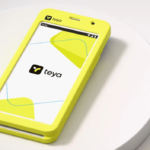
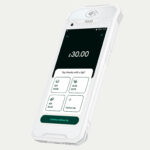
The Dojo Go stands out as the flagship portable card machine, processing transactions over 50% faster than industry standard. This versatile device features a 5-inch HD touchscreen interface and serves as the primary option for most merchants.
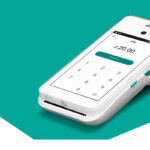
Meanwhile, the Dojo Pocket offers an ultra-lightweight alternative at just 143 grams, making it ideal for businesses requiring maximum mobility. However, it’s worth noting that the Pocket is typically only available after purchasing the Dojo Go first.
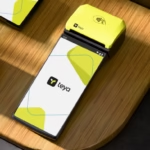
For fixed checkout locations, the Dojo Wired provides a reliable countertop solution connected via ethernet, ensuring stable connectivity for tillside transactions.
Connectivity and battery life
Both portable Dojo models excel with dual connectivity options. They automatically connect to available Wi-Fi networks or switch to 4G when needed, ensuring 99.99% uptime for uninterrupted service.
Regarding power performance, the Dojo Go offers an impressive 10-hour battery life thanks to its 5250mAH Li-ion battery. The more compact Dojo Pocket provides 8 hours of operation with its 3500mAh battery, still sufficient for most business days.
Receipt printing and portability
The Dojo Go includes a built-in thermal printer for immediate receipt generation, while the slimmer Dojo Pocket focuses on digital alternatives offering email receipts and QR code options to reduce paper waste. These distinct options within the broader dojo card machine range highlight how form follows function. Concerning size, the Dojo Go measures 175.7 × 78 × 57 mm, while the ultra-portable Pocket is significantly thinner at 170mm × 70mm × 14.7mm. This difference in form factor allows businesses to choose between robust functionality and maximum mobility.
Security and compliance features
All Dojo card machines incorporate point-to-point encryption (P2PE), considered the world’s best payment security standard. This technology safeguards customer card data throughout the transaction process.
Furthermore, Dojo simplifies PCI compliance with a straightforward two-step process that only requires reading two documents and answering two questions. This streamlined approach makes security management significantly easier for small business owners while maintaining robust protection standards.
Pricing breakdown: Dojo vs competitors
Understanding the cost structure of payment processors is essential before making a decision. Let’s examine how Dojo’s pricing compares to its competitors in the UK market.
Monthly fees and transaction rates
Dojo’s pricing depends on your business volume. For businesses processing under £100,000 annually, the “Fix” plan costs £39.99 monthly, covering transactions up to £3,999, with 1% charged on anything above. Businesses processing over £100,000 yearly can access the “Flex” plan with customized rates plus a £10 monthly platform fee per location.
Compared to rivals, Square charges a straightforward 1.75% for in-person transactions with no monthly fees. Similarly, SumUp offers a fixed 1.69% transaction rate without monthly charges. Essentially, Dojo’s pricing becomes more competitive as your transaction volume increases.
Hardware costs: upfront vs rental
Dojo provides two payment options for their card machines:
- Pay once: From £179 upfront with no ongoing costs
- Pay monthly: From £15 per month (only available for businesses processing over £100,000 annually)
This differs notably from SumUp and Square, which only offer upfront purchase options at significantly lower prices (£19-£29). Although the initial investment for these competitors is smaller, Dojo’s hardware typically includes more features.
Hidden fees to watch out for
Beyond standard rates, several potential charges may affect your total cost:
- Refund processing: 50p per refund with Dojo
- Chargebacks: £28 + VAT each with Dojo versus zero with Square
- Premium card surcharges: Dojo charges 1.6%-2% extra for American Express transactions
- Business card fees: 1.9%-2.5% with Dojo
Generally, these “hidden” fees can significantly impact your overall costs, especially for businesses with frequent refunds or customers using premium cards.
Contract terms and flexibility
Dojo’s contract length varies based on your chosen plan. The “Fix” plan requires a 12-month commitment, while the “Flex” plan offers either a 30-day rolling option or a 12-month price-locked contract. As an incentive to switch, Dojo offers to cover exit fees from previous providers (up to £3,000 in some cases).
In contrast, SumUp and Square stand out with no long-term commitments, offering maximum flexibility for seasonal businesses. Ultimately, your payment volume and stability should determine which provider offers the best value for your specific situation.
Key features that set Dojo apart
Beyond basic features and pricing, Dojo card machines offer several standout capabilities that differentiate them in the UK payment market.
Next-day payouts, even on weekends
First and foremost, Dojo stands apart with its next-day payouts that arrive in your bank account by 10am, even on weekends and bank holidays. This seven-day payout schedule comes at no additional cost, unlike most competitors. In fact, of 18 researched merchant accounts, only Revolut matched this capability. Major providers like Square, Zettle, Worldpay, takepayments, and others make merchants wait until Monday for weekend sales.
EPOS integration with 600+ systems
Moreover, Dojo integrates seamlessly with over 600 different EPOS providers. All machines come integration-ready with point-to-point encryption (P2PE), enhancing both security and PCI compliance. Consequently, businesses maintain flexibility to switch EPOS providers without changing payment systems.
Real-time reporting and mobile app
The Dojo for Business app delivers comprehensive payment management capabilities. Through the app, you can track real-time transactions, filter by date range, and export data as CSV files for your finance team. Additionally, you’ll receive instant notifications when funds arrive in your account.
Customer support and remote access
Above all, Dojo offers extensive support options including UK-based phone and live chat available from 8am to 11pm daily. Uniquely, Dojo technicians can remotely access your device for immediate assistance, plus they provide 24-hour replacement for unrepairable machines.
How Dojo compares to other UK card machines
Let’s examine how Dojo stacks up against its main competitors in the UK card payment market to help determine which solution might work best for your business needs.
Dojo vs Square
Square offers more flexibility with no contracts, compared to Dojo’s typical 12-month commitment. Despite Square’s higher transaction fee of 1.75% versus Dojo’s 1.2%-1.4%, Square provides a comprehensive free POS system that Dojo lacks. Square particularly suits businesses processing under £5,000 monthly, whereas Dojo becomes more cost-effective at higher volumes, potentially saving businesses £600-£1,800 annually.
Dojo vs SumUp
SumUp provides a straightforward 1.69% per-transaction model with no monthly fees. Unlike Dojo’s contract requirements, SumUp operates on a pay-as-you-go basis with significantly cheaper hardware (£22.50 for SumUp Air versus £179+ for Dojo Go). SumUp’s payout speed (1-3 working days) is slower than Dojo’s next-day settlements that include weekends.
Dojo vs Zettle
Zettle charges a flat 1.75% for UK cards versus Dojo’s variable rates. Distinctively, Zettle offers DIY setup within minutes with no contracts, whereas Dojo typically requires 12-18 month commitments. Though Zettle delivers funds to PayPal balance almost instantly, its bank transfers take 1-2 days.
Dojo vs Takepayments
Both Dojo and takepayments operate on monthly rental models, with takepayments’ minimum monthly fee starting at £25 compared to Dojo’s £20. Nevertheless, takepayments offers lower transaction rates (0.3%-2.5%) for certain businesses. Takepayments boasts an impressive 4.8 Trustpilot rating from over 40,000 reviews, slightly edging out Dojo’s 4.7 rating.
Dojo vs Worldpay
Worldpay offers more traditional approach with high-quality Ingenico terminals. For fixed locations, Worldpay’s Desk 5000 provides reliable countertop service, while their Axium DX8000 competes directly with Dojo Go for portable needs. Dojo’s interface and reporting features are generally considered more modern compared to Worldpay’s dated backend systems.
Conclusion
Choosing the right card machine ultimately depends on your specific business requirements. Dojo clearly stands out with its 58% faster payment processing and next-day payouts seven days a week, making it particularly valuable for businesses prioritizing cash flow management. Additionally, the robust security features and streamlined PCI compliance process provide peace of mind for merchants handling sensitive payment data.
For high-volume businesses processing over £100,000 annually, Dojo offers significant cost advantages through lower transaction rates that could save £600-£1,800 per year compared to competitors. However, smaller businesses with lower transaction volumes might find Square or SumUp more economical due to their no-monthly-fee structures and cheaper hardware costs.
Contract flexibility represents another important consideration. While Square and SumUp offer pay-as-you-go options without commitments, Dojo typically requires 12-month contracts. Nevertheless, Dojo compensates with superior features like remote technical support, comprehensive EPOS integration with over 600 systems, and real-time reporting through their user-friendly mobile app.
Your decision should factor in both immediate needs and long-term growth plans. Businesses with consistent, higher transaction volumes will benefit most from Dojo’s pricing structure and next-day settlement. Conversely, seasonal businesses or startups might prefer the flexibility and lower upfront costs of alternatives like SumUp or Zettle.
We recommend thoroughly analyzing your average monthly transaction volume, connectivity requirements, and integration needs before making your final decision. Though Dojo commands higher hardware prices and monthly commitments, its superior speed, reliability and cash flow benefits make it a compelling choice for established UK businesses seeking a comprehensive payment solution.