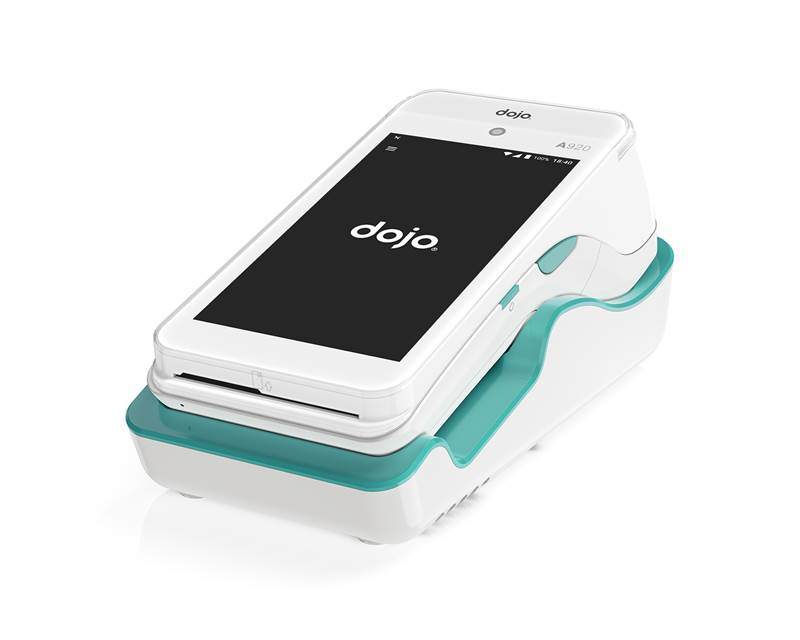
Dojo Card Machine processes payments 58% faster than the market average, giving UK merchants a significant competitive advantage when handling transactions. However, speed alone isn’t enough when dealing with sensitive payment information. Security must be equally prioritized to protect both your business and customers.
As UK merchants, we need to understand that the Payment Card Industry Data Security Standard (PCI DSS) provides essential security standards designed to safeguard payment card information. Failure to comply with these standards can result in costly fines, legal action, damaged reputation, and loss of customer trust. Specifically, when using a dojo card machine, which is increasingly popular among small businesses due to its ease of use, maintaining proper security protocols becomes even more critical.
In this guide, we’ll explore everything you need to know about Dojo Card Machine security. From the built-in protection features to your responsibilities as a merchant, we’ll cover the essential aspects of keeping your payment processing secure while enjoying benefits like next-day payouts at no additional cost. Additionally, we’ll explain how to navigate PCI DSS compliance and the steps you can take to ensure your business meets all legal requirements.

How Dojo Card Machines Work
Understanding the mechanics behind Dojo card machines can help merchants optimize their payment operations. These innovative devices streamline transactions through advanced technology and connectivity features.
Step-by-step payment process
When a customer makes a purchase, the Dojo payment process follows several key stages:
- Transaction initiation – The payment amount is entered into the card machine either manually or automatically through EPOS integration.
- Card interaction – The customer presents their payment method (chip and PIN, contactless, or digital wallet).
- Authorization request – The card machine encrypts transaction data and sends it to your merchant account.
- Verification – Your merchant account communicates with the customer’s bank to verify funds and check for potential fraud.
- Completion – Upon authorization, the terminal displays confirmation and prints receipts if requested.
This streamlined process makes Dojo card machines exceptionally efficient, processing payments up to 58% faster than industry average according to independent research.
Card Present vs Card Not Present transactions
Card Present (CP) transactions occur when customers physically present their cards at your location. These transactions:
- Offer lower fraud risk as the physical card is verified
- Provide instant authorization with real-time fund verification
- Generally incur lower processing fees due to reduced fraud potential
In contrast, Card Not Present (CNP) transactions happen when the physical card isn’t available, such as online or phone orders. These transactions require additional security measures since they face higher fraud risks but offer the advantage of reaching customers regardless of location.
How Dojo handles online and remote payments
Beyond physical card machines, Dojo provides comprehensive solutions for remote transactions:
- Payment links allow merchants to create secure checkout links that can be shared via email, messaging apps, or social media
- Virtual terminal functionality enables phone-based transactions where staff can manually enter card details
- Online payment integration connects seamlessly with your website or app through ready-made plugins
All remote payment options utilize Strong Customer Authentication to protect against fraudulent activities. Furthermore, Dojo’s system automatically consolidates in-person and online transactions in one place, simplifying end-of-day reconciliation and reporting.

Built-in Security Features of Dojo Devices
Security lies at the heart of Dojo Card Machines, with advanced protection features built directly into every device. These robust security measures safeguard both merchants and their customers during each transaction.
Point-to-Point Encryption (P2PE)
Dojo Card Machines come equipped with point-to-point encryption, considered the gold standard in payment security protection. This technology encrypts card data from the moment of capture until it reaches the payment processor, ensuring sensitive information remains indecipherable to unauthorized parties. P2PE creates a secure tunnel for data transmission, effectively:
- Protecting customer card information throughout the entire transaction process
- Simplifying PCI compliance requirements through a straightforward two-step validation process
- Reducing your security risk as unencrypted card data never touches your business systems
The PCI Security Council recognizes P2PE as providing “the strongest encryption protection for your business.”
Chip and PIN and contactless security
Modern Dojo devices support both chip and PIN transactions alongside contactless payments. Chip technology stores data using advanced cryptography, creating coded sequences that remain unreadable without specific decryption keys. For contactless transactions, customers can tap to pay for purchases up to £100, while higher value transactions require chip insertion and PIN verification.
Real-time fraud detection tools
Beyond encryption, Dojo employs sophisticated fraud monitoring algorithms that learn from every transaction processed across their merchant network. This intelligent system identifies suspicious activities without slowing down the payment process. Moreover, enhanced security measures include Address Verification Service (AVS) and Card Verification Value (CVV) checks that verify billing addresses and security codes against bank records.
Secure connectivity: Wi-Fi and 4G fallback
Dojo terminals feature dual connectivity options to ensure transaction security remains uncompromised regardless of location. Although devices typically operate via Wi-Fi, each machine comes pre-activated with a SIM card providing 3G/4G mobile connectivity as backup. Consequently, merchants never lose the ability to process secure payments during Wi-Fi outages – simply switch to mobile mode and continue business operations without interruption.
Merchant Responsibilities for Secure Use
Beyond built-in security features, merchants using Dojo Card Machines bear significant responsibilities in maintaining payment security. Taking ownership of these duties not only protects your customers but also shields your business from potential financial losses.
Daily checks for tampering
As a business owner, conducting daily checks of your Dojo Card Machine is essential. Criminals often target POS devices to steal card information or install data capture equipment. Each morning, inspect your device for:
- Unusual attachments or modifications
- Damaged seals or unusual openings
- Loose or additional wiring
If you notice anything suspicious about your device, stop using it immediately and contact Dojo support at 0800 044 3550.
Staff training and access control
Proper staff training forms your first line of defense against payment fraud. Train team members to:
- Verify identities of maintenance personnel before allowing access to devices
- Never install replacement devices without verification
- Position fixed POS devices where PINs can’t be observed during entry
- Report suspicious behavior around payment terminals
- Follow proper security protocols consistently
First-line employees should understand their critical role in maintaining PCI compliance through regular security awareness training.
Handling lost or stolen cards
When customers forget cards at your establishment:
- Store the card securely until the end of business day
- If the cardholder returns, verify their signature against the card
- Destroy any unclaimed cards rather than keeping them
Secure refund and chargeback handling
Implement a fair refund policy accessible to all cardholders. For secure refund processing:
- Only refund to the original card used for the transaction
- Never issue refunds exceeding the original transaction amount
- Avoid refunding to cards when original payment was made via cash or cheque
- For card-not-present transactions, be particularly vigilant as these face higher fraud risk
For expired cards, process refunds normally but request the cardholder sign your receipt copy. Creating clear protocols for these situations protects both your business and customers from potential fraud attempts.
Compliance and Legal Requirements in the UK
The Payment Card Industry Data Security Standard (PCI DSS) creates a vital framework for UK businesses accepting card payments. Unlike many financial regulations, PCI DSS operates through contractual obligations rather than direct legislation.
PCI DSS for UK merchants
PCI DSS comprises security standards established by major card associations including Visa, Mastercard, American Express, Discover, and JCB. Despite not being enshrined in UK law, compliance remains mandatory through your contractual relationship with your bank or payment processor. Your compliance level depends on transaction volume:
- Level 1: Businesses processing over 6 million transactions annually
- Level 2: Those processing 1-6 million transactions annually
- Level 3: Merchants handling 20,000-1 million transactions yearly
- Level 4: Small businesses with fewer than 20,000 annual transactions
How to complete Dojo’s PCI validation
Fortunately, Dojo simplifies this process significantly. With Dojo’s point-to-point encryption (P2PE), your compliance requirements are reduced to just two documents and two questions. After reading these plain-English materials, you can complete validation through your Dojo account online or via the app.
Consequences of non-compliance
Non-compliance carries serious repercussions including:
- Fines ranging from £5,000 to £80,000 depending on your business size
- Increased transaction fees from your bank
- Potential termination of card processing privileges
- Reputational damage affecting customer trust
How Dojo supports your compliance journey
Dojo takes on most compliance legwork through advanced security infrastructure. Their system blends automated compliance with robust security features to keep both business and customer data protected. Furthermore, all sensitive customer information is tokenized, meaning actual card details are replaced with encrypted tokens, rendering intercepted information essentially useless.
Conclusion
Security and efficiency must work hand-in-hand for UK merchants processing card payments. Throughout this guide, we’ve seen how Dojo Card Machines deliver both—offering 58% faster processing while maintaining robust security measures. Most importantly, the built-in Point-to-Point Encryption (P2PE) significantly reduces your PCI compliance burden while providing maximum protection for sensitive customer data.
Your responsibilities as a merchant extend beyond simply using secure equipment. Daily device inspections, comprehensive staff training, and proper handling of card-related issues all contribute to maintaining a secure payment environment. These practices not only protect your customers but also shield your business from potential financial and reputational damage.
PCI DSS compliance might seem daunting at first, though Dojo simplifies this process considerably. The consequences of non-compliance—including substantial fines and possible loss of processing privileges—make adherence essential rather than optional.
Ultimately, investing time in understanding and implementing proper card payment security measures pays dividends for your business. Secure transactions build customer trust, while Dojo’s streamlined systems ensure you maintain the speed advantage critical in today’s competitive marketplace. Your business deserves nothing less than payment solutions that balance cutting-edge security with operational efficiency—precisely what Dojo Card Machines deliver for UK merchants.