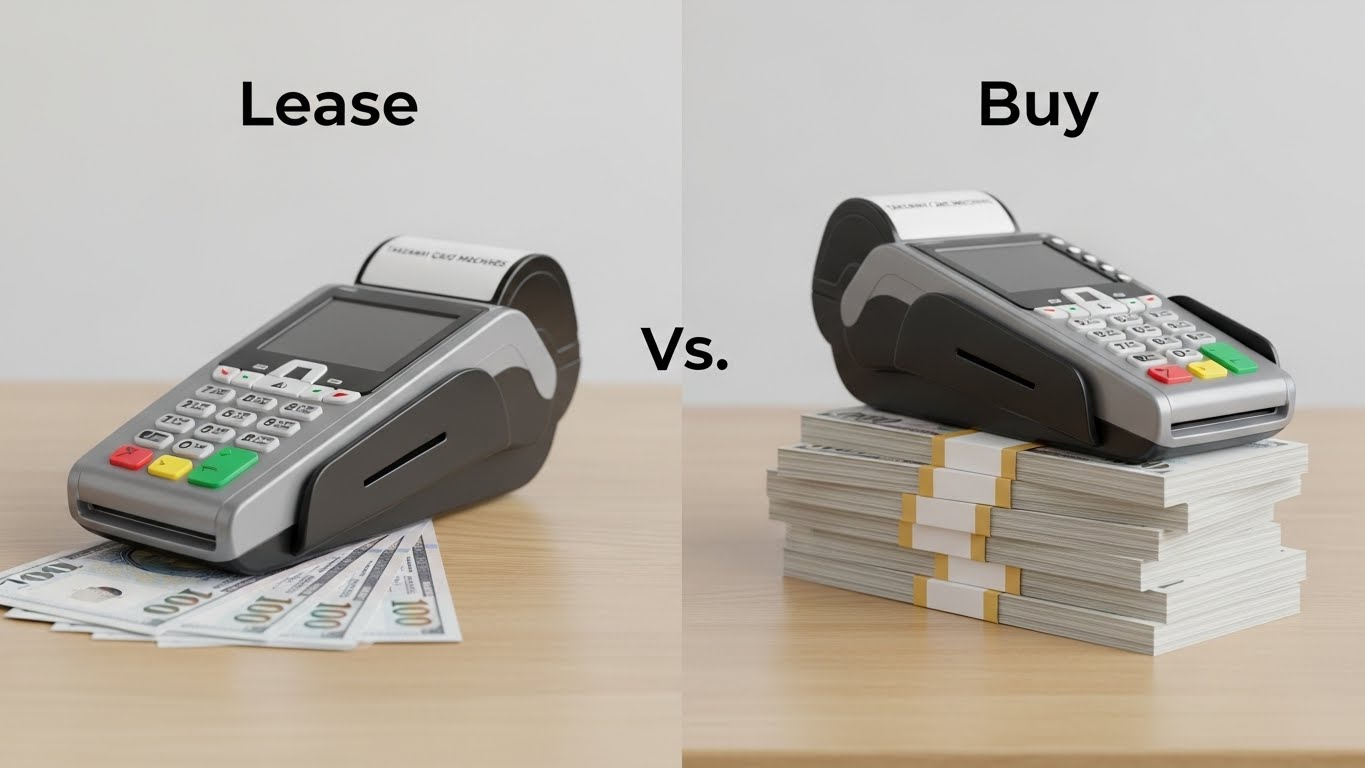
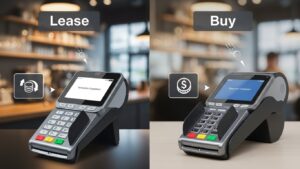
Choosing the right payment card machine for takeaway businesses often comes with a critical decision: should you lease or buy? At first glance, leasing might seem attractive with its lower upfront costs. However, this seemingly budget-friendly option can actually drain your finances over time.
In fact, the numbers tell a concerning story. A typical credit card terminal costs between $100-$400 to purchase outright. Meanwhile, leasing the same equipment at $30 monthly for a standard 48-month contract would cost you a staggering $1,440. Even more alarming, some merchants end up paying nearly $500 for equipment worth only $120 through deceptively “reasonable” $10 monthly payments over four years.
Throughout this article, we’ll examine why leasing often costs more than expected, when buying makes financial sense, and how to avoid problematic contracts. We’ll also provide practical guidance on selecting the right payment solution for your specific takeaway business needs, whether you’re just starting out or looking to upgrade your existing payment system.
Why Leasing Often Costs More Than You Think
The enticing promise of a payment card machine for takeaway businesses with “no upfront costs” often masks a financial trap. Despite the appealing sales pitch, leasing terminals consistently proves to be the most expensive option in the long run.
The illusion of low monthly payments
Those seemingly affordable monthly fees create a dangerous illusion. While £19 per month might sound reasonable, this seemingly modest payment balloons to £684 over a standard three-year contract—that’s more than 15 times the cost of buying a basic card reader outright. Most merchants are shocked to discover that a terminal worth only $160 can end up costing nearly $960 over a typical 48-month lease term. Furthermore, these apparently budget-friendly payments rarely include everything you need; maintenance, upgrades, and replacement devices typically incur additional charges.
How long-term leases add up
The mathematics behind leasing is startling. A credit card machine that retails for $270 can cost $2,124 with a $59 monthly lease over 36 months. Despite common promises about tax advantages, both leased and purchased equipment qualify as business deductions. Consequently, you’re not gaining any tax benefits by choosing the more expensive option. To make matters worse, many contracts contain “auto-renewal” clauses that silently restart your lease unless you specifically cancel within a narrow timeframe.
Why sales reps push leasing
Sales representatives aggressively promote leases primarily because they generate substantial commissions. A typical strategy involves quoting inflated purchase prices ($500 for a $160 terminal) to make leasing seem more attractive. These same agents can earn significant up-front bonus money through your lease. Additionally, equipment leases create guaranteed income streams for providers regardless of whether you continue using their processing services. Given that debit and credit cards account for over 75% of all retail transactions, salespeople know businesses feel pressured to secure payment processing capabilities quickly—often before fully understanding the long-term implications.
Buying a Card Machine: Pros and Pitfalls
Purchasing your payment card machine for takeaway operations provides immediate ownership and long-term savings—provided you make informed choices.
When buying makes financial sense
Owning your card terminal becomes financially advantageous surprisingly quickly. A typical terminal costs between $300-$400 to purchase outright, creating immediate savings compared to leasing arrangements that often total $2,124 over 36 months. For takeaway businesses processing consistent payment volumes, this upfront investment yields significant long-term returns. Moreover, purchased equipment qualifies for business tax deductions just like leased equipment, negating one common leasing sales pitch.
What to look for in a good machine
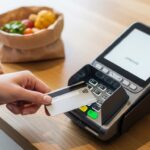
Several essential features determine whether a payment terminal will serve your takeaway business effectively. Firstly, ensure the machine accepts diverse payment methods—including chip-and-PIN, contactless, and mobile wallets like Apple Pay, Google Pay, and Samsung Pay. Studies indicate that 83% of customers prefer non-cash payment options, making payment flexibility critical for avoiding missed sales.
Security remains paramount—choose PCI-compliant devices with encryption technology to protect both your business and customers from fraud. Additionally, consider connectivity options (WiFi, LTE, or Bluetooth) to ensure uninterrupted transactions regardless of your operational environment.
Other crucial factors include:
- Integration capability with your existing POS system
- Transaction speed and reliability
- User-friendly interface requiring minimal training
- Portability for tableside payments if needed
- Transparent pricing without hidden fees
Avoiding proprietary hardware traps
Beware of proprietary hardware that locks you into a single vendor ecosystem. Such systems often limit your ability to switch payment processors or integrate with third-party technologies. Proprietary terminals typically restrict flexibility and increase long-term costs through vendor lock-in.
Instead, opt for “universal” card machines that can be reprogrammed to work with different processors. This approach preserves your freedom to change service providers as your business needs evolve, potentially saving thousands in unnecessary equipment purchases whenever you switch processors.
How to Avoid or Escape a Bad Lease
Lease contracts for payment card machines can become financial nightmares for takeaway business owners once signed. Fortunately, there are strategies to avoid problematic agreements or extricate yourself from existing ones.
Reading the fine print before signing
Getting trapped in an unfavorable lease often begins with skipping the contract details. Most payment terminal lease agreements are “water tight” – virtually impossible to escape once signed. The first line of defense is thoroughly examining every clause prior to signing. Pay special attention to:
Automatic renewal clauses that silently restart your lease unless you cancel within a narrow timeframe (typically 30-90 days). Mark these critical dates in your calendar immediately.
Sales representatives rarely disclose all fees verbally and aren’t legally required to do so. Thus, all questions about contract terms should be communicated via email, creating a record of explanations.
Be especially wary of verbal promises that contradict written terms. Many merchants report being told their leases were “cancelable at will” or “lease-to-own” when the fine print stated otherwise.
Legal options to break a lease
Almost all payment terminal leases are completely non-cancelable by design. Nevertheless, some potential escape routes exist:
Consult a lawyer to identify possible contract loopholes or violations of state laws regulating leases. Some states have consumer protection statutes against “unconscionable” contracts.
Document equipment issues or unfulfilled promises. If there was material misrepresentation about the contract, you might have grounds for “fraud in the inducement” claims.
Separation of agreements works in your favor – processing agreements and equipment leases are typically separate contracts. This means you can cancel your merchant account while continuing to pay the lease, potentially reprogramming universal machines (Verifone, Ingenico, Nurit) to work with a new processor.
Transferring your lease to another business
Most payment card terminal leases are transferable between merchants. This offers an immediate escape option while ensuring contractual obligations continue being met.
When transferring, expect transfer fees ranging from $500-$1000. The landlord’s approval will be necessary, so position the new tenant favorably by helping them prepare financial statements and improving their credit profile if needed.
Early communication with the leasing company is essential – approach them with your intentions before finding a buyer. Remember that many state laws prevent landlords from “unreasonably withholding the assignment of the lease”.
Making the Smart Choice for Takeaway Payments
Selecting the optimal payment solution for your takeaway business requires balancing current needs with future possibilities. After understanding the financial implications of leasing versus buying, your focus should shift to functionality that matches your specific operational requirements.
Match your choice to your business model
The right card machine directly impacts customer experience and operational efficiency. For busy takeaways, transaction speed is essential—machines processing payments in 2-3 seconds instead of 5+ can significantly reduce queues during peak times. If you offer delivery or curbside pickup, consider portable options that enable staff to accept payments anywhere. Additionally, UK businesses accepting card payments report a 30% increase in transaction value compared to cash-only operations, making this investment particularly valuable.
Consider future growth and flexibility
By 2025, over 90% of UK small businesses will accept card payments, but the technology continues evolving. Accordingly, choose systems that support emerging payment methods—85% of UK consumers favor businesses accepting diverse payment options. Look for hardware that can be reprogrammed if you switch processors, avoiding costly replacements. For instance, systems supporting integration with third-party applications for marketing, inventory management, and accounting provide long-term value beyond simple payment processing.
Partnering with a trusted provider
Above all, prioritize transparent pricing without hidden fees. Security remains non-negotiable—select providers offering PCI compliance and end-to-end encryption. Subsequently, consider customer support availability; 24/7 technical assistance ensures your business continues operating even when issues arise. Essentially, the best provider offers a single support team for both POS functionality and payment processing, streamlining troubleshooting when problems occur.
Conclusion
Choosing between leasing and buying a card machine represents a critical decision for your takeaway business. Throughout this analysis, we’ve seen how those seemingly attractive monthly payments actually lead to paying 4-8 times more than the machine’s worth. Therefore, purchasing your payment terminal outright generally offers the most cost-effective solution for long-term operations.
Nevertheless, the right choice ultimately depends on your specific business circumstances. First-time business owners with limited capital might still consider short-term leases despite higher overall costs. Before signing any agreement, though, carefully examine all contract terms, especially automatic renewal clauses and cancelation policies.
Additionally, remember that functionality matters just as much as finances. Your payment solution must align with your current operational needs while accommodating future growth. The ideal card machine accepts various payment methods, offers robust security features, processes transactions quickly, and integrates seamlessly with your existing systems.
Last but certainly not least, partner with a provider offering transparent pricing and reliable support. After all, your payment processing system serves as the final touchpoint in customer transactions – making it essential for maintaining positive experiences and steady cash flow.
The digital payments landscape continues evolving rapidly, so flexibility remains paramount. Regardless of whether you lease or buy, choosing equipment that adapts to changing technologies and customer preferences will protect your investment and keep your takeaway business competitive for years to come.