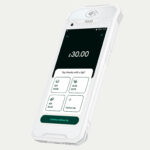
Card machines for small businesses are no longer optional in today’s economy. With cashless transactions now accounting for over 85% of all payments across Britain, businesses without reliable payment technology risk falling behind competitors.
In August 2024 alone, UK consumers made 2.5 billion card transactions—a 5% increase compared to the same month in 2023. Furthermore, shoppers make 61% of payments using debit cards, while contactless payments have seen remarkable growth, with a record 91.2% of UK transactions made using contactless in 2022. The value of these contactless payments jumped nearly 50% that same year as consumers embraced the £100 transaction limit.
In this guide, we’ll explore why investing in a credit card machine for small businesses is critical as we approach 2026. We’ll break down the costs, benefits, and features to look for, particularly as the average contactless user now makes 220 ‘touch and go’ payments annually, totaling £3,327 per person. Whether you’re a first-time buyer or looking to upgrade your payment technology, this article will help you make an informed decision.
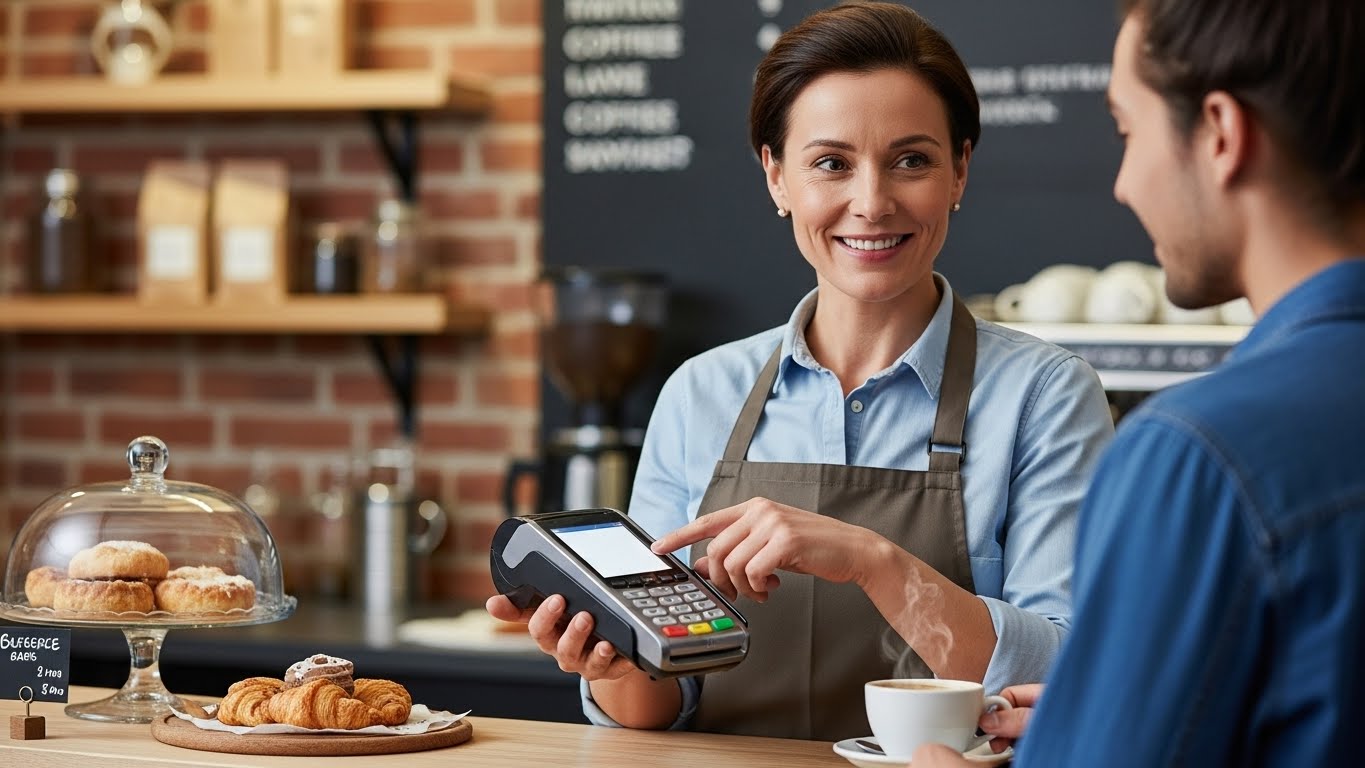
The shift to cashless: why 2026 is a turning point
The financial landscape in the UK stands at a crucial crossroads in 2026. Cash usage has plummeted below 10% of all transactions for the first time, marking a historic shift in how Britons handle their money.
Card payments now dominate UK transactions
Debit cards have emerged as the undisputed payment champion, accounting for 51% of all transactions. In fact, the total value of card payments in the UK surpassed the £1 trillion milestone in 2024, with debit card payment volumes increasing by 6% to 26.1 billion payments that year.
This shift represents a dramatic reversal from just two decades ago when cash dominated. Cash transactions have fallen from 62% of all payments in 2006 to just 9% in 2024, with forecasts suggesting further decline. For small businesses without card machines, this trend signals an urgent need to adapt.
Consumer expectations for fast, secure payments
Modern customers have clear priorities when choosing payment methods. Research shows 54% of UK consumers select payment options primarily because they’re quick and easy to use. Additionally, 71% expect tailored payment experiences that fit seamlessly into their shopping journey.
Security remains paramount in consumer decision-making. Consequently, businesses with card machines that offer robust security features gain a competitive edge, especially considering 59% of consumers express heightened security concerns when making online payments.
Impact of digital wallets and mobile pay
Digital wallet adoption has skyrocketed, now accounting for nearly 30% of UK card transactions, up from just 8% in 2019. Moreover, 57% of UK adults reported being registered for at least one mobile payment service in 2024—a significant jump from 42% in 2023.
Apple Pay leads this revolution, with 70% of UK consumers using it for in-store payments. Small businesses have embraced innovative solutions like Tap to Phone technology, which turns smartphones into payment terminals and has seen a remarkable 320% adoption growth.
This technology democratizes access to card payment tools, with over one-fifth of new Tap sellers being small businesses. Indeed, having a versatile card machine that accommodates these evolving payment preferences is no longer a luxury—it’s essential for business survival as we approach 2026.
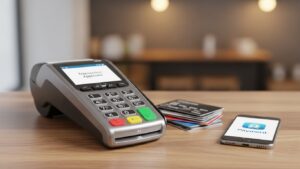
What today’s card machines offer small businesses
Modern card machines have evolved into sophisticated tools that offer far more than simple payment processing. Today’s payment terminals provide small businesses with enterprise-level capabilities at accessible price points.
Contactless, chip & PIN, and mobile wallet support
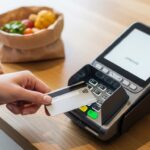
The latest card machines support multiple payment methods to meet diverse customer preferences. With contactless payment limits now at £100, businesses can process higher-value transactions quickly without sacrificing security. These devices simultaneously support traditional chip & PIN for larger purchases, offering robust protection against fraud.
Most notably, current terminals readily accept mobile wallet payments through Apple Pay, Google Pay, and Samsung Pay—critical considering 57% of UK adults now use at least one mobile payment service. This versatility ensures small businesses never miss a sale regardless of how customers prefer to pay.
Smart terminals with POS integration
Unlike standalone card readers of the past, today’s payment terminals function as complete point-of-sale systems. These smart devices connect seamlessly with inventory management software, allowing real-time stock updates with every purchase.
Many modern card machines also collect valuable customer data, enabling small businesses to build loyalty programs and targeted marketing campaigns previously available only to larger enterprises. This integration creates a unified system where payment processing becomes just one component of a comprehensive business management solution.
Real-time reporting and cloud syncing
Perhaps the most significant advancement in card machine technology is the shift toward cloud-based reporting. Small business owners can now monitor transactions in real-time from any device—viewing sales data, tracking top-selling items, and identifying peak business hours.
This cloud connectivity enables:
- Automatic daily settlement reports
- Instant notification of declined transactions
- Multi-location sales comparison for businesses with several sites
For small business owners with limited time, these reporting features transform payment data into actionable business intelligence, helping make informed decisions about inventory, staffing, and marketing efforts.
Cost breakdown: what to expect and how to budget
Understanding the complete cost picture of card machines helps small businesses budget effectively for this essential technology. Let’s break down the expenses you’ll encounter and how to plan accordingly.
Upfront vs monthly rental costs
First and foremost, you’ll face a choice between purchasing a card machine outright or renting one. Buying a card reader outright typically costs between £20-£60 for mobile app-based readers, while independent terminals range from £50-£800 depending on the model and features. Although this requires initial capital, it eliminates ongoing rental costs.
Alternatively, renting a card machine means paying a monthly fee of approximately £10-£30 plus VAT. This option typically includes ongoing support, maintenance, and easier upgrades when newer technology becomes available. Monthly rental contracts generally run between 12-36 months, though some providers offer more flexible 6-month terms or longer 5-year agreements.
Transaction fees and volume discounts
Beyond the device itself, transaction fees represent your most significant ongoing expense. These fees vary based on:
- Card type: Debit cards (0.25%-0.35%), consumer credit cards (0.7%-0.9%), and commercial credit cards (1.6%-1.8%)
- Transaction method: In-person payments typically cost less than online transactions
- Processing volume: Higher volumes generally qualify for lower rates
Importantly, many providers offer automatic volume discounts. For example, businesses processing over £50,000 annually might see their processor markup decrease from 0.40% to 0.35%. In fact, high-volume merchants often pay 30-50% less than standard rates.
Hidden charges to watch out for
In addition to the obvious costs, be vigilant about potential hidden fees including:
- Setup fees (£0-£150)
- PCI compliance charges (£2-£20 monthly)
- Monthly minimum service charges (£5-£25)
- Chargeback fees (typically £15 per instance)
- Early termination penalties (potentially hundreds of pounds)
- Authorization fees (1p-3p per transaction)
According to industry research, the average small business loses approximately £1,800 annually to hidden payment processing fees. Before signing any contract, carefully review the fine print regarding notice periods, which might range from 28 days to 3 months.
Choosing the right card machine for your business model
Selecting an appropriate payment terminal depends primarily on your specific business operations. Making the right choice now can save both time and money as your company expands.
Fixed vs mobile vs hybrid terminals
Fixed terminals excel in high-traffic retail environments where customers pay at a designated counter. These reliable devices typically connect directly to power sources, offering stability for frequent transactions. Mobile terminals, conversely, provide flexibility for businesses needing payment capabilities across different locations or tableside service. Hybrid solutions like the Clover Mini bridge this gap, functioning as a semi-portable device that can be relocated when necessary.
Connectivity and battery life considerations
Modern terminals offer multiple connectivity options. Wi-Fi-only devices work well for stable locations, whereas businesses operating outdoors or at events should prioritize cellular (4G/5G) connectivity. Battery life typically ranges from 8-12 hours on a single charge—essential for mobile operations.
Integration with accounting and inventory tools
Seamless integration with existing business systems remains crucial. Look for machines that connect with your accounting software (like QuickBooks or Xero) to automatically record sales. This integration eliminates manual data entry and simplifies reconciliation.
Scalability for future growth
Choose payment systems that can grow alongside your business. Scalable solutions enable adding new payment methods, expanding to additional locations, and handling increased transaction volumes without requiring complete system overhauls.
Conclusion
As we approach 2026, card machines have clearly become essential tools rather than optional extras for UK small businesses. The statistics speak for themselves—cash now represents less than 10% of all transactions while card payments have surpassed the £1 trillion milestone. Therefore, businesses still operating without proper payment technology risk losing significant revenue and customer trust.
Today’s consumers expect convenience, speed, and security when making purchases. Their preferences have shifted dramatically toward contactless payments, mobile wallets, and digital solutions. Most importantly, modern card machines deliver far more than just payment processing—they offer valuable business intelligence through real-time reporting, inventory management integration, and customer data collection.
Before making your decision, carefully consider the various cost factors we’ve outlined. The choice between upfront purchases versus monthly rentals, transaction fee structures, and potential hidden charges will significantly impact your bottom line. Smart planning now saves money later.
Your specific business model should guide your selection process. Fixed terminals work best for stationary retail, while mobile solutions suit businesses needing payment flexibility. Battery life, connectivity options, and integration capabilities with your existing systems deserve thorough consideration.
The future of payments continues to evolve rapidly. Consequently, the right card machine investment today positions your small business for growth tomorrow. Though adapting to these technological changes might seem daunting at first, the benefits—increased sales opportunities, improved customer satisfaction, and streamlined operations—far outweigh the initial adjustment period.
Small businesses that embrace card payment technology now will undoubtedly gain a competitive advantage in 2026 and beyond. The time to act is not tomorrow—it’s today.